
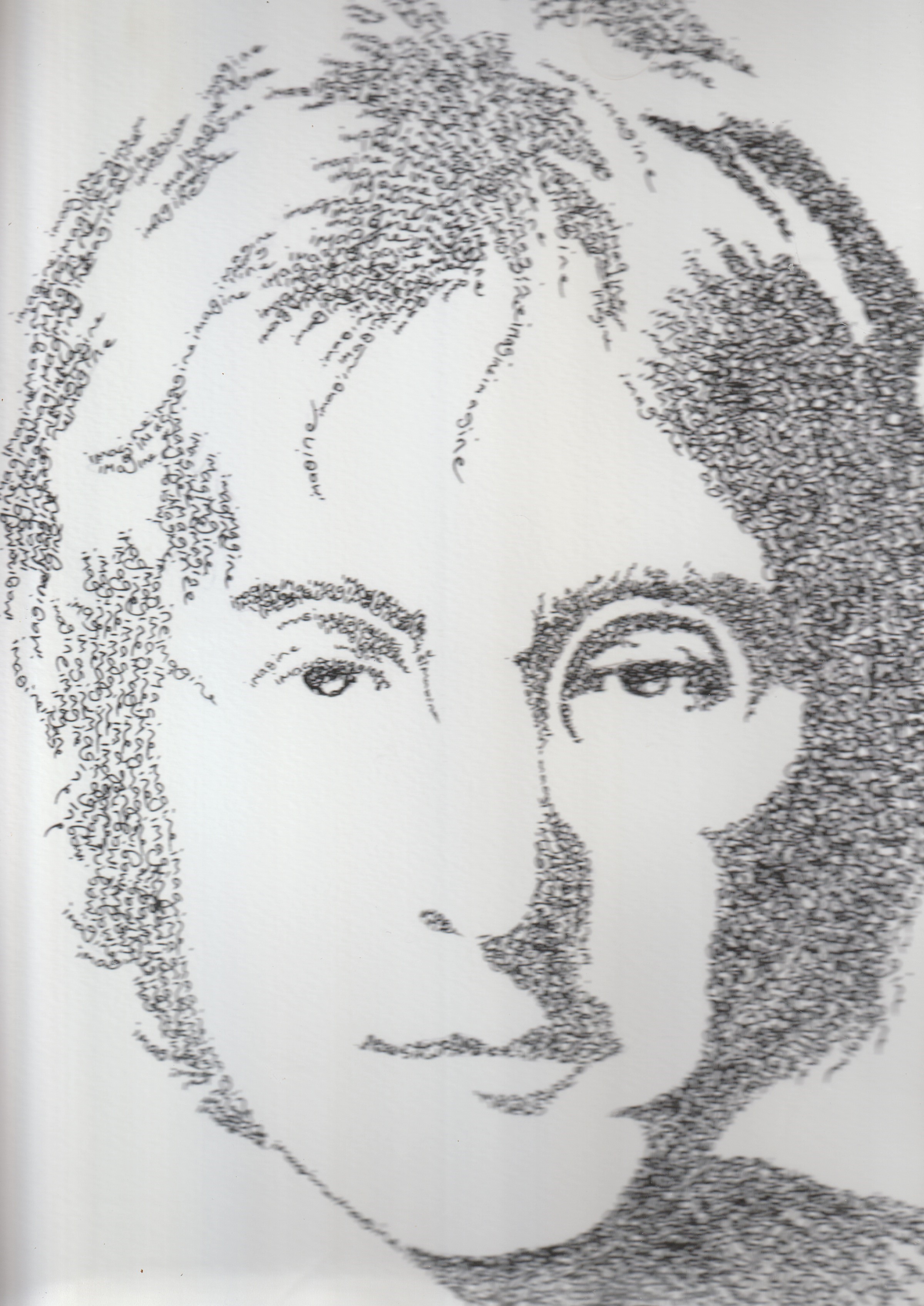
More than half a century after it was first recorded, the voice of John Lennon still drifts across the troubled landscape of the modern world like a distant church bell calling humanity back to its conscience.
In December 1971, Lennon and his partner Yoko Ono released a song that sounded at first like a Christmas greeting. Yet behind the gentle piano, the children’s choir, and the seasonal warmth lay a quiet but powerful protest against war. The song, Happy Xmas (War Is Over), was written during the height of the Vietnam War and carried a message both radical and simple: peace is possible if people truly want it.
The refrain that became famous around the world came not just from music but from activism. Two years earlier, Lennon and Ono had launched an international campaign placing billboards in major cities across the globe declaring, “WAR IS OVER! If You Want It – Happy Christmas from John & Yoko.”
It was an audacious idea. Lennon believed that war was not only the decision of governments but also the result of collective human acceptance. If people demanded peace loudly enough, he argued, war could no longer sustain itself.
The song itself begins quietly with whispered greetings to their children before swelling into a chorus sung by the Harlem Community Choir. The lyrics ask a haunting question: what have we done with the year that has passed? The message was not meant as condemnation but as reflection. Lennon understood something deeply human about conflict: wars continue partly because ordinary people grow used to them.
More than five decades later, the words feel uncannily contemporary.
Across the Middle East today, war again dominates headlines. Gaza burns under the weight of a bitter conflict between Israel and Hamas. Yemen remains scarred by years of fighting and humanitarian catastrophe. Iran stands in tense confrontation with Western powers, particularly the United States and Israel, raising fears of wider regional escalation.
Each of these conflicts has its own history, its own grievances, its own tragedies. Yet the pattern is painfully familiar: territory, power, religion, revenge, and the slow erosion of empathy.

In Lennon’s time, the great fear was the Cold War and the endless violence of Vietnam. Today the geography of conflict has shifted, but the human story remains much the same. The same grief fills the homes of mothers. The same silence falls over cities when bombs replace conversation.
Lennon tried to challenge that cycle not with policy papers or diplomatic negotiations, but with music.
He understood that songs could slip past political defences and land directly in the heart. If politics speaks to ideology, music speaks to emotion. And emotion, as history often proves, can move societies in ways that speeches cannot.
The genius of Happy Xmas (War Is Over) lies in its optimism. Rather than simply condemning war, Lennon insisted that peace was achievable. The phrase “if you want it” placed responsibility not only on leaders but on ordinary people everywhere.
It was a reminder that hatred is rarely born overnight. It grows slowly through fear, suspicion and the refusal to recognise the humanity of those who pray differently, speak another language, or claim the same land.
Today, that message is urgently needed.
Religious identity has become entangled with politics across many modern conflicts. Jews, Muslims, Christians and others often find themselves trapped inside narratives of history and territory that stretch back centuries. Yet Lennon’s vision suggested something profoundly different: a world where belief is not a dividing line but a shared search for meaning.
Peace does not demand that people abandon faith, culture or homeland. What it demands is the recognition that no nation, no religion, and no ideology holds a monopoly on suffering.
When bombs fall, they do not ask who believes in which God.
When children cry in the night, their language hardly matters.
The simplicity of Lennon’s message sometimes drew criticism. Some said the slogan “War is over if you want it” ignored the complex realities of geopolitics. Perhaps it did. But Lennon was never trying to write a diplomatic treaty. He was trying to awaken moral imagination.
And perhaps that was the real point.
In a world constantly told that conflict is inevitable, Lennon dared to suggest the opposite: that peace might be a choice humanity has not yet fully decided to make.
As another year unfolds under the shadow of war in places like Gaza, Yemen and Iran, the old song still asks its question.
So this is the world.
And what have we done?
If Lennon’s quiet chorus still echoes across the decades, perhaps it is because it speaks not only about war but also about responsibility.
War may begin in the chambers of power.
But peace begins in the hearts of people.
And as Lennon once sang with hopeful defiance, “War is over… if you want it.”


