
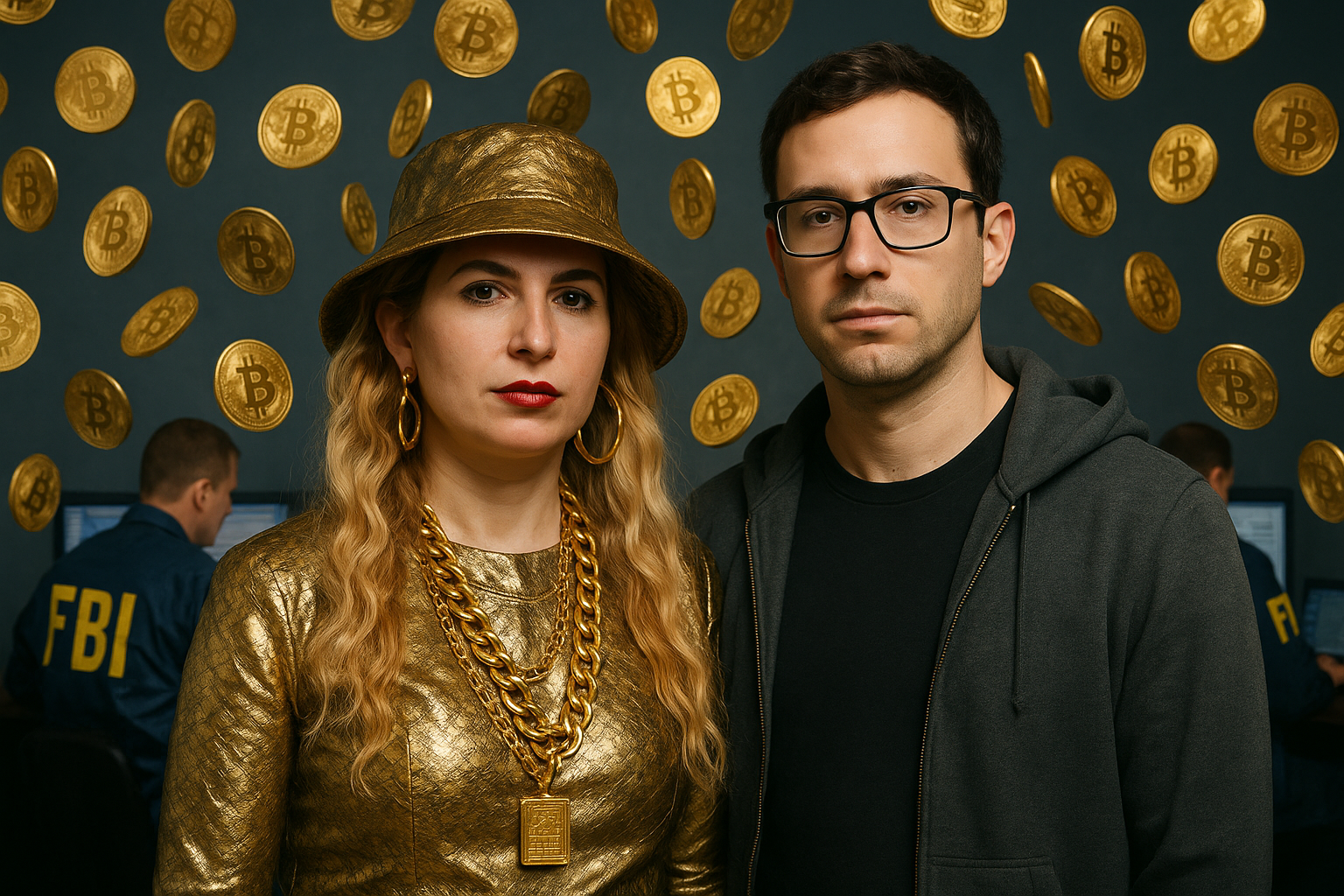
Heather Morgan and Ilya Lichtenstein laundered approximately 21% of the 119,754 Bitcoins stolen from Bitfinex, which were worth about $72 million at the time of the hack.

By Cicero, House Correspondent
- By the time of their arrests in February 2022, the value of the stolen Bitcoin had risen to about $4.5 billion, making the seizure the largest in the history of the US Department of Justice. As of November 2024, the value of the stolen Bitcoin was estimated to be over $11 billion.
- The couple employed various methods to launder the stolen funds, including setting up accounts under fictitious identities, transferring funds to darknet marketplaces, purchasing gold coins, and establishing shell companies.
- Law enforcement, utilising advanced blockchain analytics, successfully recovered over 96% of the stolen funds with assistance from Lichtenstein.
- Morgan had a public persona as a rapper and influencer, and ironically, had written articles on cybercrime tactics before her arrest, providing advice on methods she later used in the laundering operation.
BILLIONS STOLEN, BILLIONS SEIZED
It began in 2016, with a devastating hack on the Hong Kong–based exchange Bitfinex. In one of the largest cryptocurrency thefts in history, hackers syphoned away 119,754 Bitcoins — then worth $71 million, now valued in the tens of billions.
For years, the coins lay dormant, their digital trail quietly tracked by blockchain sleuths and U.S. investigators. Then, in a twist stranger than fiction, the hunt for the missing Bitcoin led not to shadowy cyber-gangs in Moscow or Beijing, but to a Manhattan couple whose lives seemed torn straight from a satirical screenplay.

THE CROCODILE OF WALL STREET
Her name was Heather Morgan. By day she dabbled in tech start-ups and writing columns for business magazines. By night she rebranded herself as “Razzlekhan” — a self-proclaimed rapper, entrepreneur, and “Crocodile of Wall Street.”
Her website, razzlekhan.com, flaunted outlandish music videos, bizarre fashion shoots, and a persona described as “like Genghis Khan, but with more pizzazz.” Friends and critics alike wondered if it was performance art, cringe satire, or simply delusion.
Behind the persona, however, federal investigators say Morgan was helping launder billions in stolen Bitcoin.
THE HACKER HUSBAND
Morgan’s husband, Ilya “Dutch” Lichtenstein, was a Russian-American tech entrepreneur. The U.S. Department of Justice now asserts he was the hacker who penetrated Bitfinex in 2016, stealing access keys to the exchange’s coffers.
Lichtenstein allegedly relied on Morgan to help “wash” the money — moving coins through complex webs of wallets, darknet markets, and shell accounts.

THE ARREST
In February 2022, the DOJ arrested Morgan and Lichtenstein at their New York apartment. Inside, they found burner phones, hollowed-out books, and even plans for false identities. The couple were charged with conspiracy to launder Bitcoin tied to the Bitfinex hack.
Shortly after, U.S. authorities seized 94,000 BTC — then worth $3.6 billion — the largest financial seizure in American history.
GUILTY PLEAS, SENTENCING LOOMS
In 2023, Lichtenstein admitted to the hack itself. Morgan pleaded guilty to money laundering conspiracy. Both are now awaiting sentencing, facing the prospect of long prison terms.
For the crypto world, the case stands as both a cautionary tale and a surreal cultural moment: billions in stolen digital gold, hidden behind a website full of awkward rap videos and grandiose self-mythologising.
TIMELINE OF A HEIST
- 2016 — Bitfinex hacked, 119,754 BTC stolen.
- 2017–2021 — Coins moved through laundering networks in small tranches.
- Feb 2022 — Heather Morgan (“Razzlekhan”) and Ilya Lichtenstein were arrested in New York.
- 2022 — DOJ seizes 94,000 BTC, worth $3.6 billion.
- 2023–2024 — Both plead guilty. Sentencing pending.
SIDE NOTE: CULT HERO OR CLOWN?
Heather Morgan’s alter ego, “Razzlekhan”, now lives in infamy. What was once dismissed as internet kitsch has become documentary fodder — a bizarre mask for one of the most audacious financial crimes of the 21st century.
As one prosecutor quipped, “They may have fancied themselves modern-day outlaws, but blockchain left them a trail no crocodile could hide.”


