
By Cicero
Sunday, 21 September 2025
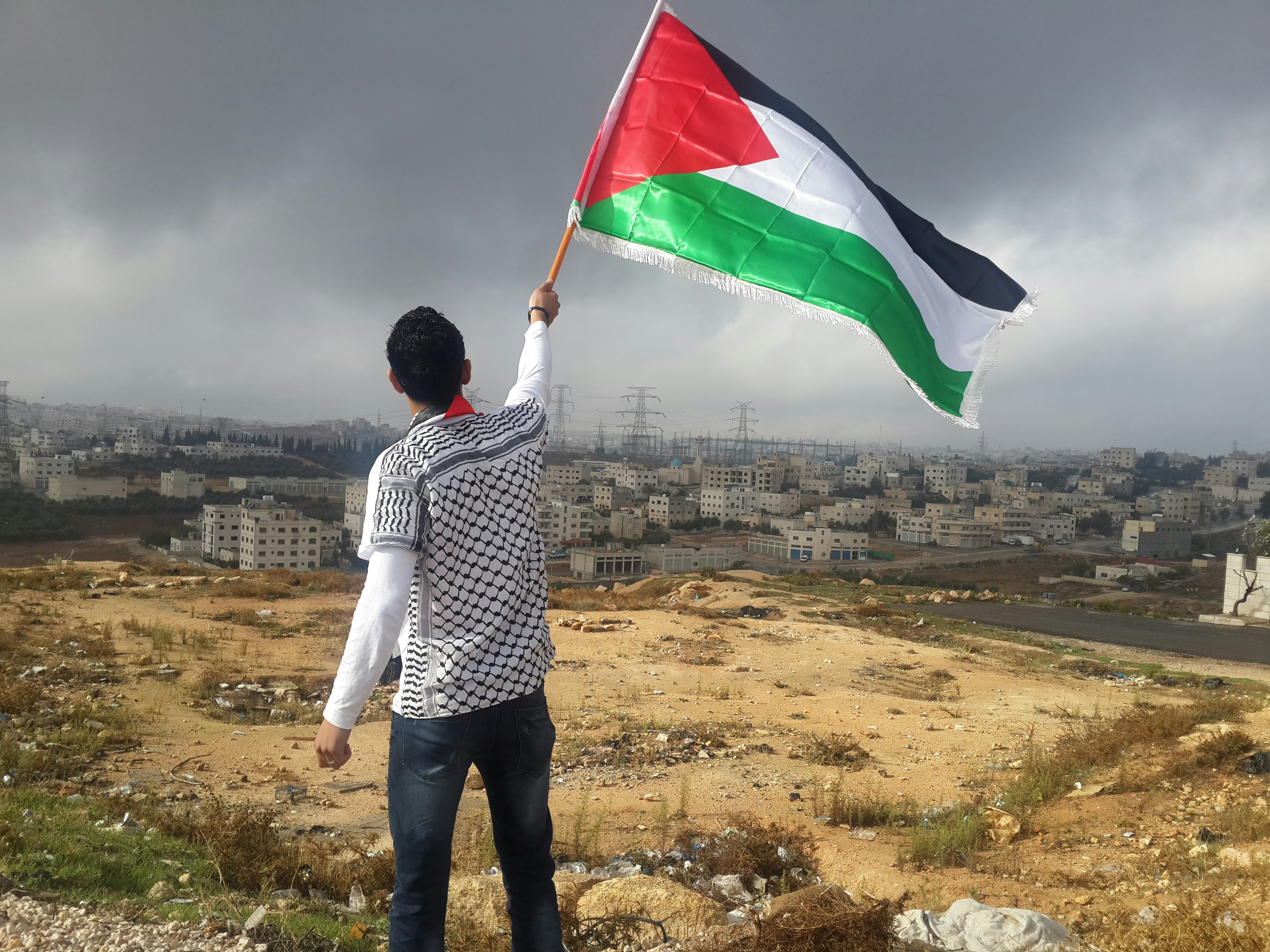
In what many are calling a watershed moment in British foreign policy, Prime Minister Keir Starmer is expected today to formally recognise a Palestinian state. The announcement, set to coincide with the United Nations General Assembly meeting, represents the United Kingdom’s strongest diplomatic shift yet on the Israeli-Palestinian conflict—and it comes amid fervent debate, moral dilemmas, and urgent humanitarian suffering.

What the Government is Saying
Deputy Prime Minister David Lammy has been fronting the government’s case, defending the move as essential for preserving the idea of a two-state solution. Speaking to the BBC, he said this recognition does not “feed children” or “free hostages”—those tasks lie elsewhere: humanitarian aid and a ceasefire respectively.
Lammy emphasised that while the recognition is largely symbolic, it is intended to hold open a path toward peace. He and Starmer have made clear that Hamas must play no future governing role, that a genuine ceasefire is required, and that Israeli settlement expansion—especially in contentious areas of the West Bank—must halt or be reined in.
A First Among G7 — And Possibly More to Follow
By this move, the UK will become the first G7 country to officially recognise Palestinian statehood. It is expected that France and Canada will shortly follow suit during this week’s UN General Assembly. This adds momentum among Western powers toward formal recognition efforts.

Opposition & Deep Concerns
But not everyone supports this path—far from it.
Israeli objections have been strong. Prime Minister Benjamin Netanyahu has warned that recognising Palestine without resolving underlying issues “rewards Hamas’s monstrous terrorism.” Israeli officials argue such recognition could weaken negotiations and embolden extremist groups.
Equally vociferous are families of Israeli hostages currently held by Hamas. Sixteen relatives have published an open letter to Starmer pleading with him: Hold off until the hostages are brought home. “Your regrettable announcement … has dramatically complicated efforts to bring home our loved ones,” the letter reads. They assert that Hamas has already treated recognition as a victory and reneged on previous ceasefire promises.
One family member, Ilay David, whose brother Evyatar is among the captives, expressed worry that recognition could reduce incentives for Hamas to negotiate in good faith. “Giving this recognition is like saying to Hamas: ‘It is OK, you can keep starving the hostages, you can keep using them as human shields,’” he said.

The Stakes: Symbol vs Substance
This recognition is not expected to immediately change conditions on the ground in Gaza—the humanitarian crisis remains acute. Burial of homes, displacement, shortages of food, water, medical care: the suffering continues. Lammy acknowledges that recognition will not fix that.
So what does the move achieve?
Diplomatically, it marks a broadening willingness among leading Western powers to take formal steps in support of Palestinian statehood, even without full peace.
Symbolically, it reinforces for many Palestinians and international observers that the UK considers their aspirations, rights, and suffering worthy of formal legitimacy.
Politically, it places pressure on Israel to re-engage in peace processes, on Hamas to respect ceasefire or release hostages, and on the international community to act — or at least to consider further moves.
But it also raises real risks: diplomatic fallout with Israel, potential impacts on hostage negotiations, and the danger that symbolism without sufficiently robust follow-up (ceasefire, protections for civilians, humanitarian corridors) becomes hollow.
What Comes Next
Starmer will announce at the UN General Assembly. The precise wording will matter: whether recognition is conditional on future actions, what territorial basis is recognised, how governance is to be arranged, especially in Gaza.
The UK is expected to escalate sanctions or other pressure on Hamas while reinforcing that Hamas must have no role in a future recognised Palestinian government.
It remains to be seen how Israel will respond in practice—not just in words. Will there be diplomatic retaliation? Is there a chance it will affect cooperation?
Hostage families may increase their public pressure. Their argument that this move complicates rather than helps hostage releases is likely to keep being loud and emotional.
This feels like a bold moral statement from Starmer, trying to reclaim the narrative that sitting on the sidelines is no longer defensible in this crisis. It’s messy. It’s imperfect. But sometimes foreign policy is imperfect, especially when lives are at stake, and symbols can matter.
The real test will be whether this move is accompanied by a serious push—diplomatic, humanitarian, multilateral—to alleviate suffering, protect civilians, and bring hostages home. If recognition becomes just a headline and not a platform for action, its power will fade fast.
An Overall View of this..
What’s happening: UK to formally recognise Palestinian statehood, becoming first G7 country to do so.
Why now: Humanitarian crisis in Gaza, growing settler expansion, belief that the two-state solution is being eroded.
Pushback from: Israel, hostages’ families urging delay, some international allies.
What won’t happen: It won’t immediately free hostages or stop hunger—those depend on a ceasefire and aid.
What could happen: A shift in diplomacy—potentially a domino effect among Western nations, but also risks of deterioration in negotiation dynamics.


