
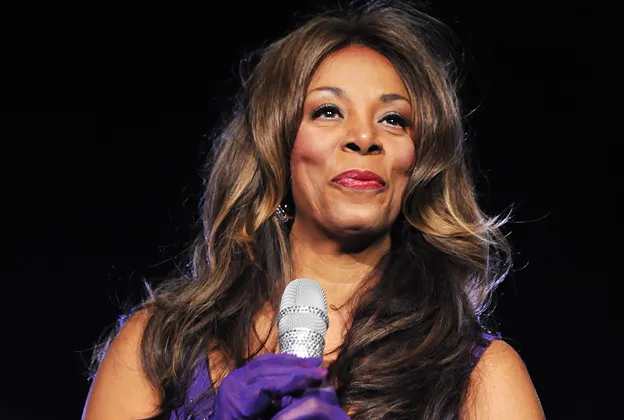
Donna Summer was not simply a singer. She was a force of nature. When her voice arrived, the dance floor changed forever.
Born Donna Adrian Gaines in Boston in 1948, she grew up singing in church before finding her way into theatre and music. Her career took a dramatic turn in Europe, where she worked with producers Giorgio Moroder and Pete Bellotte. Together they created a sound that felt futuristic, sensual and utterly new.
Then came Love to Love You Baby in 1975. It was bold, erotic and impossible to ignore. Some radio stations were nervous of it, but clubs understood it immediately. Gay clubs especially understood it. Donna Summer became a voice of liberation, pleasure and midnight freedom.
With I Feel Love in 1977, she did more than make a hit record. She helped invent the future. That pulsing electronic sound became a foundation stone for dance music, synth-pop, house and techno.
Then came Last Dance, MacArthur Park, Hot Stuff, Bad Girls, Dim All the Lights and On the Radio. By the end of the 1970s, Donna Summer was crowned the Queen of Disco.
But Donna’s relationship with fame was complicated. She had been raised in the church, and in the early 1980s she became a born-again Christian. At the same time, America was entering the terrifying early years of the AIDS crisis. Fear, prejudice and ignorance were everywhere. For gay men especially, it was a time of grief and abandonment.
It was during this period that Donna Summer became caught in a painful controversy. She was accused of making anti-gay remarks, including claims that AIDS was connected to sin. The alleged remarks caused fury and heartbreak among many gay fans, who had helped make her music sacred on the dance floor.

For people already losing friends, lovers and whole communities, the idea that their disco queen had turned against them felt like betrayal.
Summer denied saying the most hurtful remarks attributed to her. She later apologised for the pain caused by the controversy and tried to make clear that she did not hate gay people. She said she had gay friends, gay collaborators and love for her gay audience.
Still, the wound lingered. The controversy followed her for years, because pop music is not just sound. It is memory. It is where people danced before the funeral, where they kissed before the hospital ward, where they survived.
And yet, something remarkable happened. Donna Summer’s music did not disappear from gay culture. It grew larger.
I Feel Love became even more important with time. Last Dance remained a ritual. Hot Stuff still strutted in high heels. Bad Girls still honked its horn through the night.
The gay community did not forget the pain, but many did forgive, or at least made peace with the contradiction. Donna Summer was both a Christian woman and a gay icon. She was both adored and questioned. She was human, flawed, gifted, misunderstood, and at times clumsy with the very audience that had lifted her into legend.
In later years, she performed for LGBT audiences and her music returned fully to the dance floor. Not as a guilty pleasure, but as part of queer history itself. The beat survived the argument.
Donna Summer died in 2012, but her voice remains alive wherever people gather under lights and decide, for a few minutes, to be free.
Her legacy is not spotless, but it is enormous. She gave the world songs that sounded like bodies becoming electric.
And for the gay community, perhaps that is the final truth: Donna Summer hurt some people, denied the worst of what was said, tried to repair the damage, and left behind music too powerful to exile.
The Queen of Disco stumbled. The dance floor remembered. Then the music played again.


