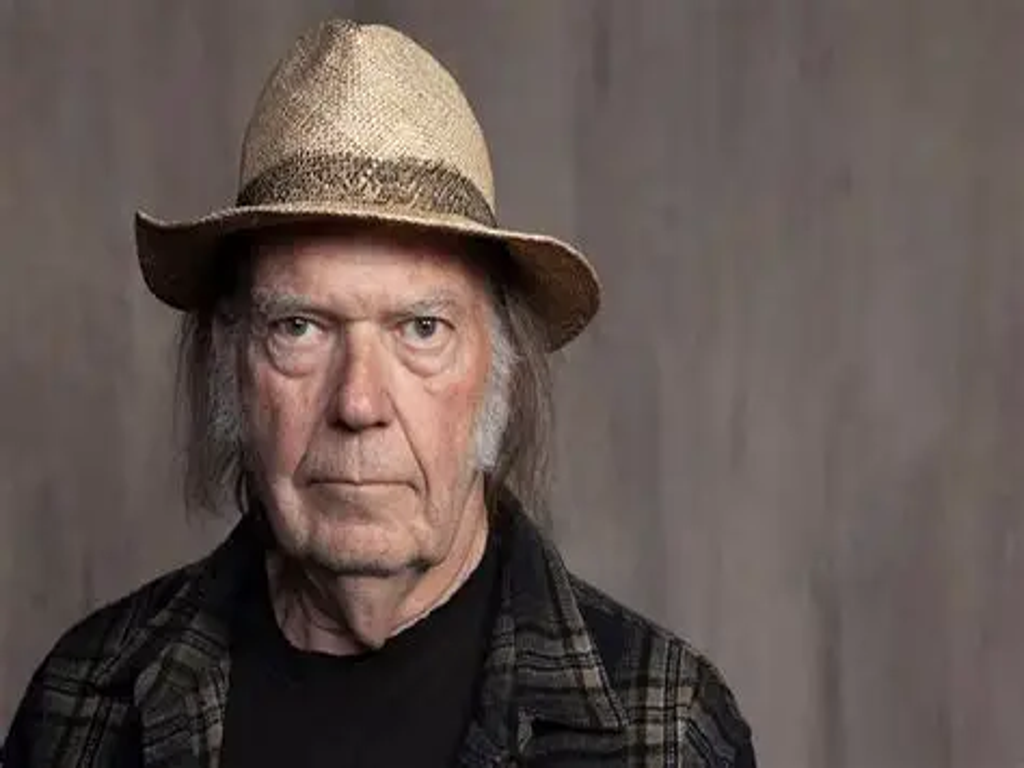
From Neil Young’s Ohio to Paul Hardcastle’s 19 — Muscians cry out against War
Paul Hardcastle’s “19” (1985) remains a notable example of innovative production techniques—sampling news reports and statistics—to convey the psychological toll on young soldiers during the Vietnam War. Its focus on the average age of combatants underscored a visceral truth: wars are fought by individuals, often in their late teens or early twenties, whose lives are profoundly altered. Similarly, Neil Young’s “Ohio” (1970) captured immediate outrage following the Kent State University shootings, while Edwin Starr’s “War” (1970) posed a direct, rhetorical challenge to the purpose of armed conflict. These works, along with Frankie Goes to Hollywood’s “Two Tribes” (1984), demonstrate music’s capacity to distil complex geopolitical anxieties into emotionally resonant statements.

Such songs endure not merely through artistic merit but because they prioritise individual suffering—grief, trauma, and disrupted lives—over official narratives centered on security or resolve. This humanistic perspective has repeatedly found expression across genres, from folk protest traditions to mainstream pop and rock.
“Brothers in Arms” is a solemn ballad born from the fog of conflict. Mark Knopfler penned it amidst the shadow of the Falklands War, his guitar weeping like a battlefield elegy. It’s a poignant anthem of camaraderie, where soldiers walk side by side, bound by fate, even as storms of war loom. The song whispers of mortality and shared humanity—a quiet plea for peace in a world too often torn apart.
“Masters of War” is Dylan’s raw indictment of those who build the machinery of conflict. With stark, almost surgical lyrics, he strips away any veneer of glory. It’s not just anti-war—it’s a call-out to those hiding behind suits and walls, untouched by the blood they spill. It’s folk music’s scalpel, cutting deep into the conscience. The year was 1963, when Dylan released it on his album “The Freewheelin’ Bob Dylan.” It was the voice of a young bard, wielding his words as arrows against the Cold War arms race. It still rings out as hauntingly relevant as ever.
A Balanced Perspective on War and Peace
While the critique of war’s glorification is valid and historically grounded, a comprehensive view must also acknowledge the multifaceted nature of international relations. Diplomacy and restraint are indeed preferable where feasible, and preventing unnecessary conflict represents prudent statecraft. However, history also records instances where military strength or credible deterrence has prevented larger aggressions or protected vulnerable populations. Peace is not solely the absence of force; it frequently depends upon stable power balances and the willingness to confront clear threats when dialogue proves insufficient.
The assertion regarding contemporary political rhetoric merits nuance. Leaders across various administrations and ideologies have employed firm language when addressing security challenges. Evaluating such statements requires context-specific analysis rather than generalized characterization. Music’s role as a “warning to the living” retains relevance, yet it functions best alongside informed discourse on root causes, historical precedents, and practical pathways to de-escalation.
Music’s Continuing Relevance
Anti-war art contributes meaningfully to public discourse by humanizing statistics and reminding audiences of war’s profound personal consequences. Its message—that preserving human life should rank among the highest priorities—aligns with core ethical considerationshumanisingame time, effective global order often requires integrating moral aspirations with realistic assessments of human behavior and state incentives.
If you would like, I can expand on additional examples of anti-war or conflict-themed music, provide historical context for specific tracks, or discuss how artistic expressions interact with policy debates in different eras. What aspect of this topic would you like to explore further?