
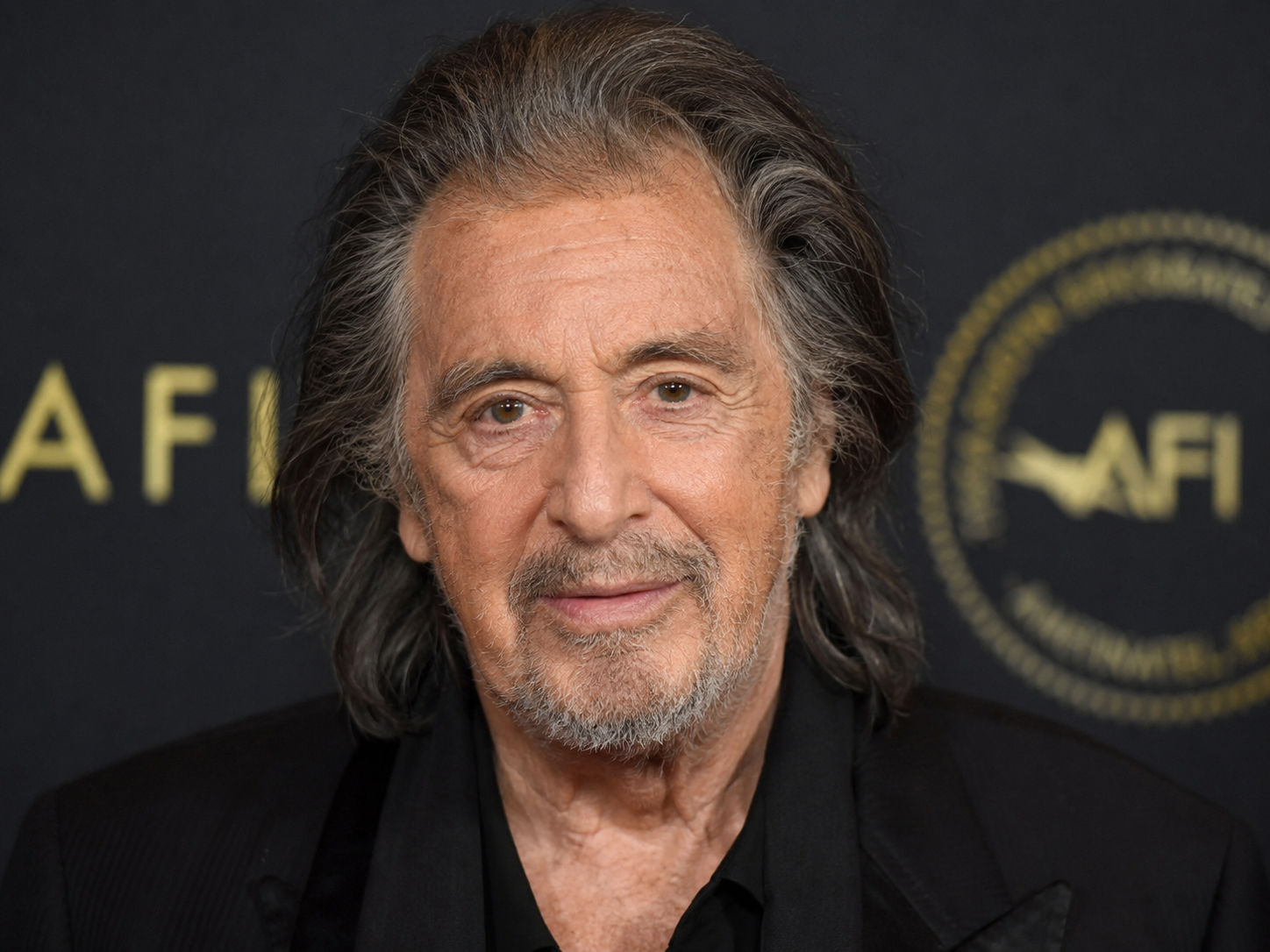
Al Pacino did not simply become a film star. He became temperate.

From the cold, watchful stillness of Michael Corleone in The Godfather to the sweating desperation of Sonny Wortzik in Dog Day Afternoon, Pacino helped define the golden age of American cinema. He was not the biggest man in the room, but somehow the room always seemed to bend towards him.
In The Godfather, directed by Francis Ford Coppola, Pacino gave us one of cinema’s great transformations: Michael Corleone, the respectable son, slowly hardening into the very thing he once stood apart from. The brilliance of the performance is in its quietness. Pacino does not need to roar. A look, a pause, a lowered voice, and the door to the soul quietly locks.
Then came Dog Day Afternoon, Sidney Lumet’s 1975 crime drama based on a real Brooklyn bank robbery. Here Pacino is all nerves and electricity, playing Sonny as criminal, clown, lover and lost soul. The film was nominated for six Academy Awards and won Best Original Screenplay, but its lasting power lies in Pacino’s humanity. He makes chaos feel intimate.

Pacino was never afraid of difficult material. In 1980’s Cruising, directed by William Friedkin, he entered one of the most controversial films of his career, a dark thriller set around New York’s gay leather scene. The film remains divisive, criticised by many for its portrayal of gay life, yet it also shows Pacino’s willingness to walk into uncomfortable shadows rather than stay safely in the spotlight.
By the 1980s and 1990s, Pacino’s style grew larger, louder, almost operatic. Scarface gave popular culture Tony Montana. Heat placed him opposite Robert De Niro in a crime epic of icy professionalism and volcanic outbursts. Scent of a Woman finally won him the Academy Award for Best Actor.
And then came The Devil’s Advocate in 1997, where Pacino played John Milton, a New York law boss who may also be Satan himself. Subtle? Not remotely. Entertaining? Absolutely. Pacino chews the scenery with such wicked pleasure that the furniture should have received danger money. Opposite Keanu Reeves and Charlize Theron, he turns temptation into theatre.

Yet the lesser-known Pacino is just as fascinating: Scarecrow, Sea of Love, Carlito’s Way, Donnie Brasco, and his Shakespeare documentary Looking for Richard. These films show the searching actor beneath the legend, the craftsman still poking at the mask to see what bleeds.
Pacino’s greatness is not that he always played powerful men. It is that he understood power as a wound, a fever, a performance. From Michael Corleone’s frozen stare to Sonny’s street-corner desperation, from Cruising’s controversy to the Devil’s boardroom grin, Al Pacino has spent more than half a century showing what happens when the human soul is cornered and the camera refuses to blink.
Eddie Barzoon. Poor Eddie. He thought the world was a buffet and never noticed he was on the menu. He ran from deal to deal, fattened on applause, worshipping the mirror, calling greed ambition and appetite success. And then the bill came due. It always does. That’s the joke. Man builds himself a throne out of money, ego and polished lies, then acts surprised when it catches fire.


