
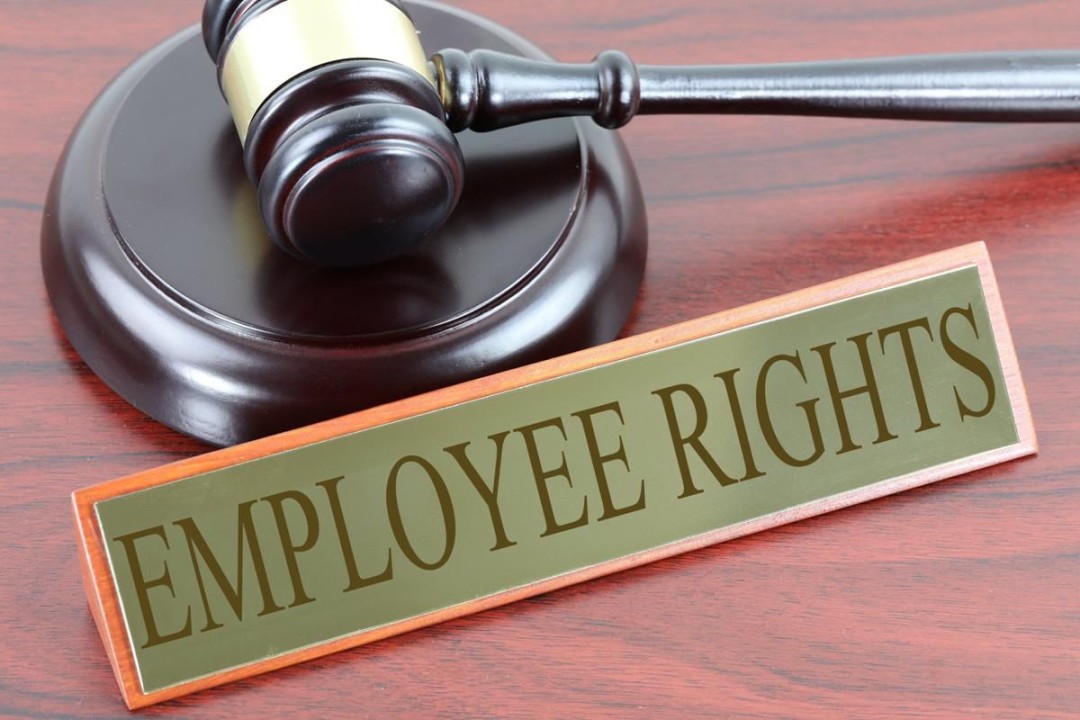
The Fair Work Agency, an enforcement body established by the government, will safeguard the rights of millions of Britons, particularly those impacted by unfair dismissals and exploitative contracts.
The formation of the Agency is one of the measures that is part of Labour’s Employment Rights Bill.
The Employment Rights Bill arrived on 10 October 2024 in 150 pages. So far, the government has launched four consultations; issued 11 factsheets and published 23 impact assessments in drafting the bill and the agency’s powers will progressively develop.
The agency will possess inspection authority and the power to impose penalties on those violating employee rights, including issues related to holiday pay and minimum wage. Additionally, whistle-blowers will be encouraged to report misconduct to this new agency.
The Fair Work Agency will also uphold various existing rights, such as the national minimum wage and certain provisions of the Modern Slavery Act.
Deputy Prime Minister Angela Rayner referred to the bill as “the most significant reform of workers’ rights in generations.” However, the establishment of this agency will take time and involve consultation, with the earliest implementation of new rights anticipated for autumn 2026.
The government asserts that the reforms will be extensive, providing 9 million individuals with new protections against unfair dismissal; granting over 1 million low-paid workers on zero-hour contracts the right to job security with new contracts, and extending paternity leave rights to an additional 30,000 parents, while 1.5 million will gain access to unpaid parental leave.

Officials believe this legislation will assist at least 1.7 million people currently outside the labour market due to family responsibilities, benefiting from enhanced policies on flexible working and parental leave.
Key changes in the bill include the removal of the two-year waiting period for employees to sue for unfair dismissal, allowing this right from the first day of employment.
However, a legally defined probation period will be implemented, providing a “lighter” approach in dismissing employees for poor performance.
Government representatives emphasize that unfair dismissal claims remain viable even during this probation period if employers act improperly.
The bill encompasses 28 significant reforms, such as abolishing zero-hour contracts, banning “fire and rehire” practices; granting sick pay rights from the first day of illness, and eliminating the lower earnings threshold for sick pay. Employees will receive immediate rights to paternity and unpaid parental leave.
Moreover, the legislation will mandate that flexible working is the default option for employees, although employers can object on specific practical grounds.
Large employers will be required to develop action plans to address gender pay disparities and support employees experiencing menopause. Protections against dismissal will also be reinforced for pregnant women and those returning from maternity leave.
Ministers have emphasized that the new laws will involve extensive consultations with businesses, which have raised concerns for years about the potential risks to growth and the job market posed by these proposals.
Tina McKenzie, the policy chair at the Federation of Small Businesses, criticized the legislation as “rushed, clumsy, chaotic, and poorly planned,” arguing that imposing 28 new measures on small business employers simultaneously leaves them struggling to understand the changes.
Below is CIPD’s advice on what they believe should be incorporated in the new legislation.


