
Political Speculation Feature
By the Political Desk
13 May 2026
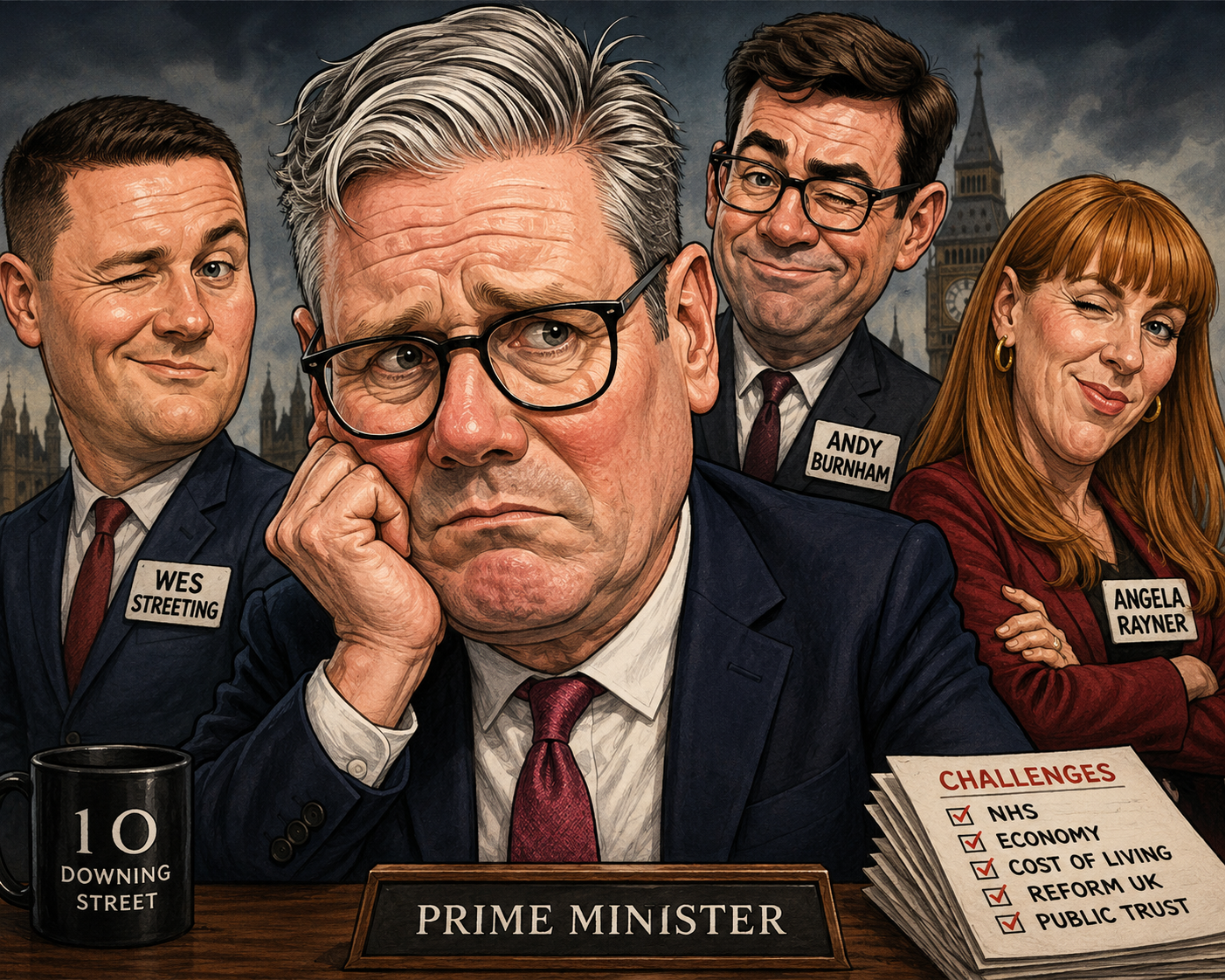
In the hushed corridors of Westminster, where whispers of discontent have grown into open calls for change, one 19-minute meeting has become the focal point of intense speculation. Health Secretary Wes Streeting’s private discussion with Prime Minister Sir Keir Starmer at 10 Downing Street this morning has fuelled fresh debate about the stability of the Labour government, just days after devastating local election results exposed deep fractures within the party.
The Meeting That Spoke Volumes
The encounter, described by insiders as “businesslike but notably brief,” lasted precisely 19 minutes. Mr Streeting emerged to address waiting journalists in measured tones, offering praise for the Prime Minister’s leadership while carefully sidestepping questions about his own future ambitions. Downing Street sources characterised the discussion as “constructive,” focused on the forthcoming King’s Speech and ongoing policy challenges. Yet the brevity of the meeting, combined with the charged political atmosphere, has led many observers to question whether it represented a moment of reassurance or the prelude to a significant shift.
For weeks, speculation has swirled around Mr Streeting’s position. A rising star within the moderate wing of the party and a frequent subject of leadership chatter, he has repeatedly denied any personal interest in challenging Sir Keir. However, his swift exit from a recent Cabinet Office gathering and his decision to engage the media immediately after today’s meeting have only intensified scrutiny.
Local Election Reckoning: A Stark Warning for the Prime Minister
The catalyst for the current unease is unmistakable. Labour’s heavy losses in the 7 May local elections—shedding more than 1,400 council seats and ceding control of several key authorities—represented a significant rebuke from voters. Gains by Reform UK in traditional Labour heartlands, alongside advances by the Greens and Liberal Democrats, underscored public frustration over the economy, NHS waiting lists, and the pace of promised “change.”
In the aftermath, approximately 80 to 90 Labour MPs are understood to have expressed dissatisfaction, with some privately urging Sir Keir either to resign immediately or to commit to standing down at the end of the current parliamentary term. Four junior ministers have already resigned in protest, citing concerns over the government’s direction. A Cabinet meeting on 12 May produced public expressions of support from several senior figures, yet the atmosphere remains fragile.
Wes Streeting: Loyal Servant or Heir Apparent?
Mr Streeting has long been viewed as one of the most credible potential successors to Sir Keir. His handling of the NHS brief has earned cautious praise, even amid ongoing challenges, and his centrist positioning appeals to those seeking a steady hand. Yet he has consistently maintained a public stance of loyalty. Following today’s meeting, his comments to the media struck a note of continuity rather than rupture.
Nevertheless, political analysts note that his allies have been vocal in recent days, and his decision not to linger at No 10 longer than necessary has been interpreted by some as deliberate distancing. Should Sir Keir’s position weaken further, Mr Streeting’s name would almost certainly feature prominently in any succession contest—though he has given no indication of preparing the ground for such a move.
The Burnham Shadow: An Outsider with Influence
Compounding the speculation is the persistent mention of Greater Manchester Mayor Andy Burnham. A highly popular figure with a proven record of electoral success, Mr Burnham was previously blocked by party machinery from returning as a Member of Parliament. His influence within the broader Labour movement remains considerable, and his name continues to surface in discussions about potential leadership alternatives, even from his position outside Westminster.
While Mr Burnham has not publicly positioned himself as a challenger, his stature serves as a reminder to the current leadership that talent and popularity exist beyond the parliamentary party. Any future contest would, however, require adherence to Labour’s formal rules, including the threshold of nominations from MPs and party members.
Cabinet Unity Under Strain
Despite the turbulence, a core of senior ministers continues to rally behind Sir Keir. More than 100 Labour MPs are reported to have signed a letter affirming their support for his continued stewardship, emphasising the need for stability ahead of critical legislative business. The Prime Minister himself has reiterated his determination to remain in office and deliver on the government’s mandate.
Yet the episode illustrates the delicate balance now required at the highest levels of government. With public approval ratings under sustained pressure and internal dissent no longer confined to backbench voices, the coming weeks will test whether expressions of loyalty can translate into renewed momentum.
The Road Ahead: Stability or Succession?
As the government prepares for the King’s Speech, attention will focus on whether today’s meeting marks a turning point toward renewed unity or merely a temporary pause in a deeper leadership drama. No formal challenge has been launched, and no resignation from Mr Streeting has been announced. Sir Keir Starmer has repeatedly invited any would-be rivals to test their support through proper party channels.
For now, the Labour Party finds itself at a crossroads familiar to many governing parties after a difficult set of mid-term elections. The coming days and weeks will reveal whether the brief encounter at Downing Street represented a reaffirmation of collective purpose or the first visible crack in a leadership that, until recently, appeared unassailable. In the unforgiving arena of British politics, speculation today may well become reality tomorrow.


