
By Cicero’s Science Correspondent
An eight-year-old boy once confined to a wheelchair by a devastating genetic illness has stunned doctors by walking – and even running – again after receiving an experimental therapy that rewired his body’s failing energy system.
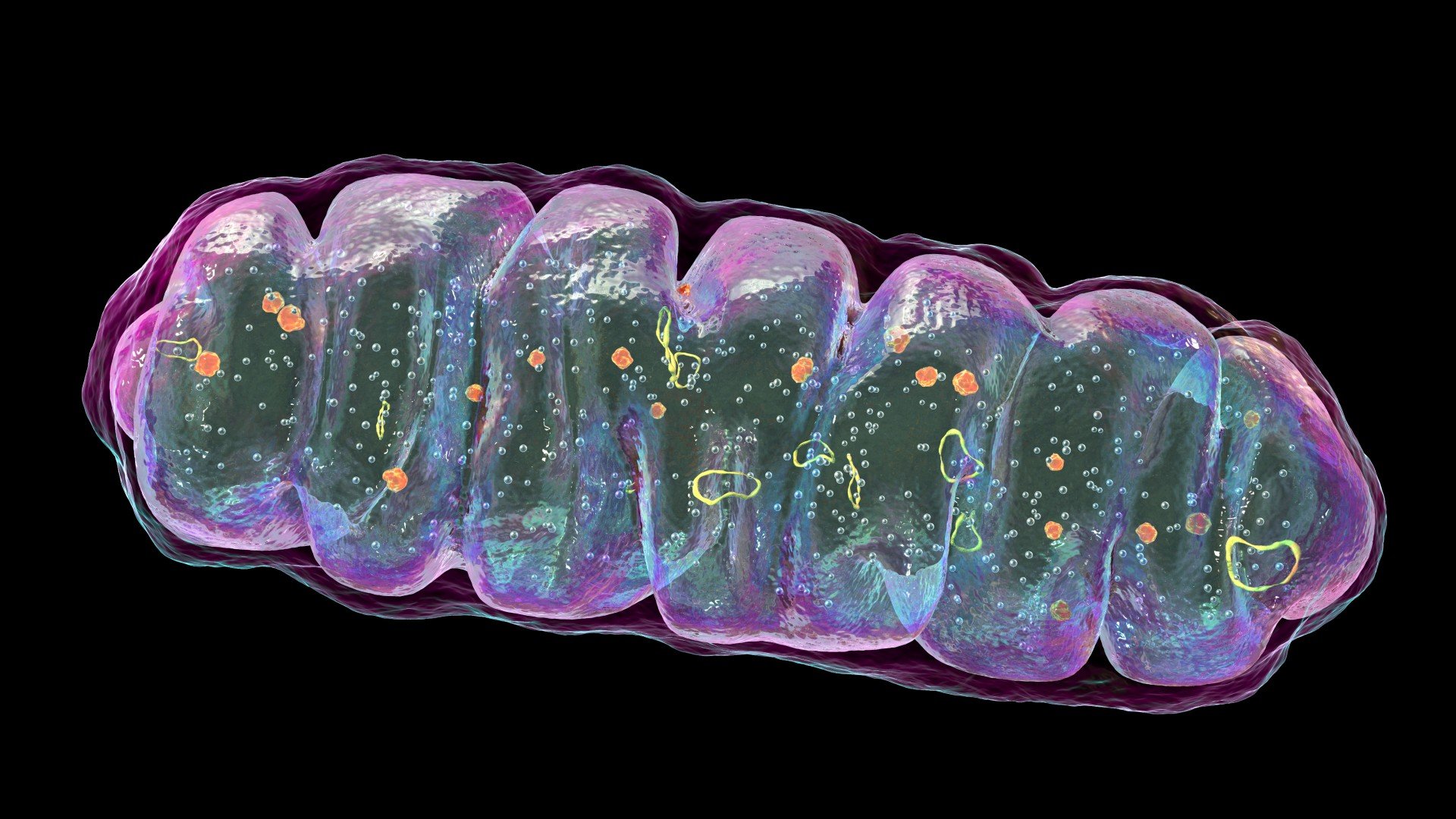
The child was diagnosed with HPDL deficiency, an ultra-rare disorder that disrupts the production of Coenzyme Q10 (CoQ10), a vital compound that fuels mitochondria – the “power plants” of the body’s cells. Without it, muscles weaken, nerves fail, and children rapidly lose mobility. Within months of his first symptoms in 2023, the boy could no longer stand unaided.

But in July this year, doctors at NYU Langone Health revealed a remarkable turnaround. Instead of trying to replace the faulty gene directly, scientists administered a biochemical “detour” – a compound called 4-hydroxybenzoate (4-HB). This precursor effectively bypassed the broken step in his CoQ10 production line, allowing his cells to generate the energy they so desperately needed.
The results were almost immediate. Within weeks, he was walking long distances. Within two months, he was back on his feet – literally – running and playing again.
“This is the first time we’ve seen such dramatic improvement in a patient with primary CoQ10 deficiency,” said the research team, whose findings were published in Nature. “It shows that basic biochemical insight can translate directly into life-changing therapy.”

The case is more than a personal triumph. It signals a new frontier in tackling mitochondrial disease – long regarded as one of medicine’s most stubborn puzzles. Existing approaches range from dietary supplements and stem-cell transplants to experimental gene therapies. But this intervention, described as a “biochemical bypass,” could open the door for patients with similar metabolic bottlenecks.
Other experimental techniques, including mitochondrial replacement therapy – sometimes dubbed “three-parent IVF” – are also showing promise, with several healthy babies born in the UK free from inherited mitochondrial disorders. Meanwhile, approved gene therapies for related conditions, such as metachromatic leukodystrophy, are beginning to reach clinics.
For this child and his family, though, the miracle is already here. Just months ago he faced a future of paralysis and decline. Today, thanks to a scientific gamble that paid off, he’s back to racing around like any other boy his age.
“It feels like we’ve witnessed science rewrite the rules of what’s possible,” one doctor remarked.


