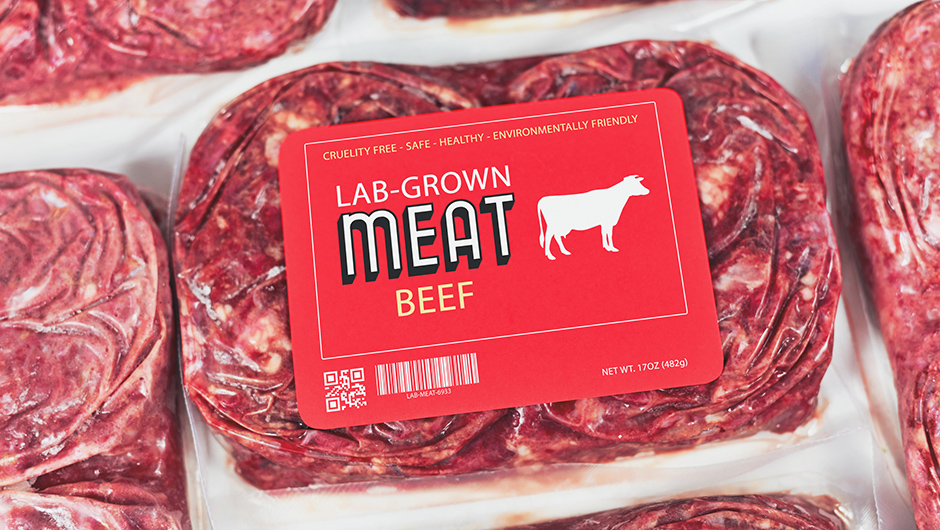
The future of meat is in a petri dish—or so claim the champions of cultivated meat, the cell-grown alternative poised to transform dinner plates and dog bowls alike. But is this culinary revolution just a flash in the bioreactor?
A new report by the UK Parliament’s POST (POSTnote 740) reveals a landscape of promise and peril. The UK was the first in Europe to sell cultivated meat—though only in dog treats. For human plates, the jury’s still out.
Cultivated meat, grown from animal cells in high-tech vessels, promises to cut greenhouse gas emissions, spare millions of animals, and slash land use by up to 95%. It could be a balm for the climate crisis and a lifeline for ethical eaters.
Yet, even as cultivated chicken nibbles at the edges of the UK pet food market, costs remain sky-high: up to $400,000 for a kilogram of lab-grown steak. Beyond the sticker shock, the science is still catching up. Researchers are wrestling with cell lines that won’t multiply or mature as needed, and with media so expensive it could make caviar look cheap.
And while the techno-optimists dream of sterile bioreactors replacing mucky fields, farmers warn of a rural economy on the brink. Jobs could vanish if this ‘clean meat’ takes hold—though some see hope in new ingredient supply chains and on-farm production possibilities.
Public opinion is a swirl of curiosity and caution. Many find the idea of cultivated meat unnatural, even a little disgusting. Still, up to 41% of Brits might be willing to taste the future—if they trust it’s safe.
With the Food Standards Agency launching a sandbox program for cultivated products, the UK is navigating uncharted territory. Whether this new frontier will reshape our diets or remain a futuristic curiosity depends on technology, regulation—and, of course, the public’s appetite.
UK’s Lab-Grown Meat: A Culinary Revolution or Costly Mirage?