
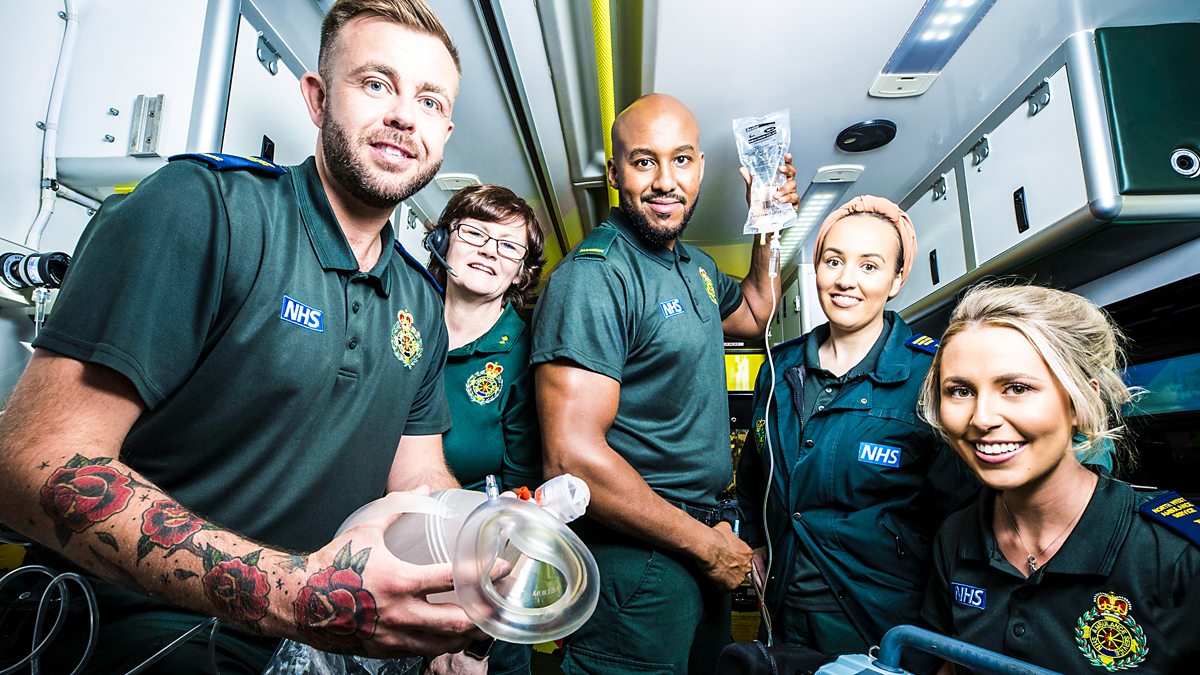
Here’s an overview of the London Ambulance Service (LAS), its history, and related concerns:
### What the London Ambulance Service Responds To:
The LAS provides urgent and emergency care across London, responding to 999 calls for medical emergencies such as cardiac arrests, strokes, traumatic injuries, and other life-threatening conditions. It also offers non-emergency patient transport services and supports major incidents in the city.
### Brief History of the London Ambulance Service
The LAS was officially established on **February 1, 1915**, making it one of the oldest ambulance services in the world.
Initially, it operated with basic equipment like stretchers and splints. Over the years, it has evolved into one of the busiest emergency care providers globally, equipped with advanced technology, life-saving medications, and electric ambulances.
In 1965, LAS became a London-wide service, consolidating nine existing services.
### London Air Ambulance Service
The London Air Ambulance Service was founded in **1989** in response to a report by the Royal College of Surgeons, which highlighted unnecessary deaths due to delays in trauma care.
It pioneered the “doctor on board” model, enabling time-critical interventions at the scene of incidents. The service operates helicopters and rapid response cars to provide advanced trauma care across London.
### Safety Concerns for Emergency Ambulance Staff.
There are growing concerns about the safety of ambulance staff when attending patients. Reports indicate that paramedics often face violent abuse, which has been highlighted in recent media coverage.
Recently,
Two paramedics from London Ambulance Service have shared the shocking impact of violent abuse on ambulance staff.
Recently two paramedics from London Ambulance Service have shared the shocking impact of violent abuse on ambulance staff.
Charlotte Miller and Gary Watson appeared on ITV’s breakfast show Good Morning Britain to explain the trauma caused to staff through assaults on them attending emergency call outs.
Additionally, challenges such as navigating low-traffic neighbourhoods and school streets have led to fines for ambulance drivers, complicating their ability to provide timely care
These issues underscore the need for better protection and support for emergency responders.
Here’s a summary of recent news about the London Ambulance Service:
1. **Care for Sickle Cell Patients**:
A report commissioned by the London Ambulance Service (LAS) revealed that sickle cell patients have faced poor care, including delays, lack of appropriate pain relief, and unhelpful attitudes from ambulance staff. LAS has developed an action plan to improve care, including better training for frontline clinicians.
2. **Impact of Abuse on Staff**:
Paramedics from LAS shared their experiences of violent abuse on ITV’s Good Morning Britain. The Service released shocking data highlighting the challenges faced by ambulance staff.
3. **Innovative ‘Hear and Treat’ Method**:
LAS introduced a method called ‘hear and treat,’ which allows clinicians to assess and treat patients over the phone. This approach has freed up thousands of hours for ambulance crews and reduced response times for the most serious cases
4. **Donation to Ukraine**:
LAS donated 59 retired ambulances to Ukraine to support care in war zones and for civilians injured during the ongoing conflict.
Below is the BBC One “Ambulance” series.


