
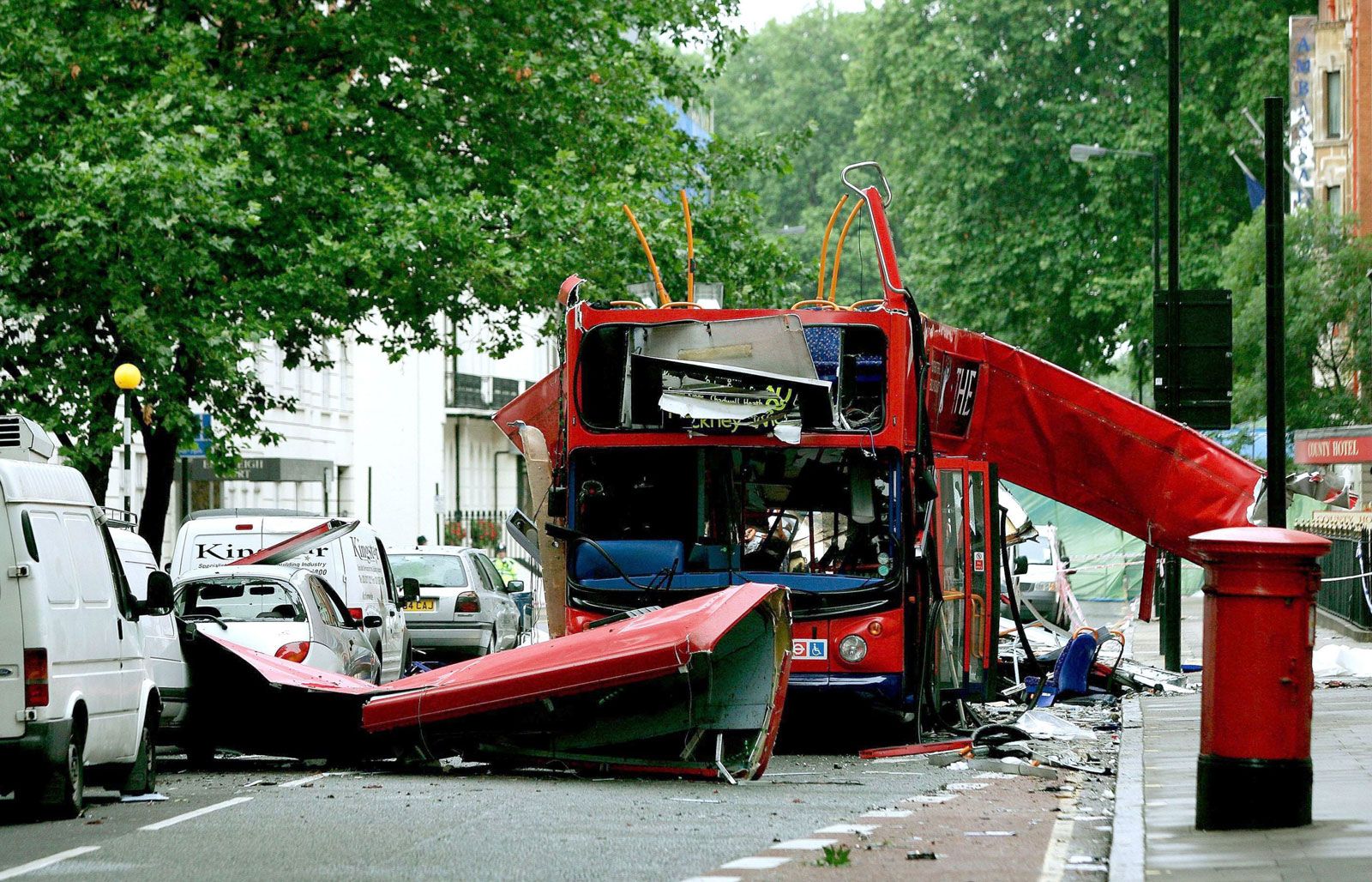
The 7/7 London bombings were a series of coordinated suicide attacks that targeted London’s public transportation system on the morning of July 7, 2005. Four bombers detonated explosives on three London Underground trains and a double-decker bus, killing 52 people and injuring over 700 others.
The attacks were carried out by four British Islamist extremists who were inspired by al-Qaeda. The bombers were:
* Mohammad Sidique Khan
* Shehzad Tanweer
* Germaine Lindsay
* Hasib Hussain
The bombings occurred during the morning rush hour, causing widespread disruption and panic throughout London. The attacks were condemned by leaders around the world, and they led to increased security measures in London and other cities.

Two weeks later, on July 21, 2005, a series of attempted bombings targeted the London Underground and buses once again. However, these attacks failed to cause any casualties, as the bombs failed to detonate properly.
The failed attacks led to a police operation that resulted in the fatal shooting of Jean Charles de Menezes, an innocent Brazilian man who was mistaken for a suspect. The shooting sparked public outrage and raised questions about the police’s use of lethal force.
The 7/7 bombings and the failed attacks two weeks later were a traumatic experience for Londoners. They led to increased security measures and a greater awareness of the threat of terrorism. The shooting of Jean Charles de Menezes also led to a public debate about the police’s use of lethal force.
The recent BBC documentary series can be viewed here


