
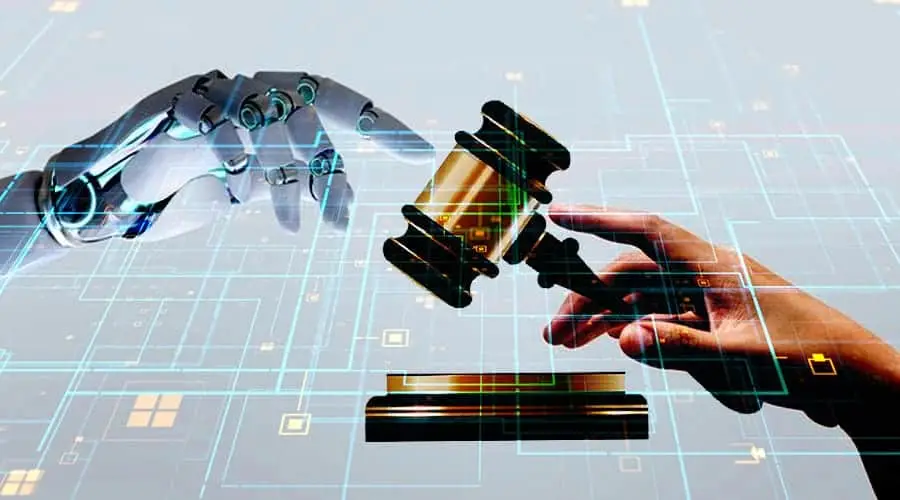
AI is playing a significant role in modern law enforcement, particularly in analysing large datasets like phone records, texts, SMS, internet usage, phone mast triangulation, and even encrypted chat services.
The capabilities of AI have evolved significantly since the days of programs like Narus and NSO’s Pegasus malware, which were primarily focused on data collection and surveillance. Below, I’ll dive into how AI is currently applied to these areas, drawing on available information and addressing the complexities and ethical considerations involved.AI in Analysing Large Datasets for Law Enforcement AI technologies, such as machine learning (ML), natural language processing (NLP), and computer vision, are now integral to processing and analysing vast amounts of digital evidence.


These tools allow law enforcement to handle the sheer volume of data generated by modern communication technologies, which far exceeds human analytical capacity. Here’s a breakdown of how AI is applied to the specific data types you mentioned:
1. Phone Records, Texts, and SMSAI-powered tools are extensively used to analyse phone records, texts, and SMS in criminal investigations.
These tools can process terabytes of data from mobile devices, extracting relevant information quickly and efficiently: Natural Language Processing (NLP): NLP is used to analyse text-based communications, such as SMS and emails, to identify patterns, keywords, or connections between suspects. For instance, tools like Magnet Forensics’ Magnet Axiom use NLP to sift through conversation threads, flag relevant artefacts, and generate comprehensive reports. This allows investigators to query data with specific questions, such as identifying mentions of a location or person in a text thread.

Pattern Recognition: AI algorithms can detect suspicious patterns in call logs or message frequency, such as unusual call volumes that might indicate coordinated criminal activity. For example, in financial crime investigations, AI analyses transactional data alongside communication records to uncover money laundering schemes.
Real-World Example: Cellebrite, a widely used digital forensics tool, integrates AI to extract and analyse data from mobile devices, including call logs and messages. This significantly reduces the time required to identify key evidence, enabling faster case resolution.
2. Internet Usage
AI is transforming how law enforcement monitors and analyses internet usage, particularly in the context of cybercrime and threat detection: Behavioural and Sentiment Analysis: AI models analyse browsing histories, search patterns, and social media activity to assess potential threats or detect deception. For instance, AI-driven Open-Source Intelligence (OSINT) tools scan public social media data to identify posts indicating potential crimes or threats, such as planned attacks.
Dark Web Monitoring: AI is used to monitor illegal online marketplaces and encrypted forums on the dark web. Machine learning models can flag suspicious activities or communications, even when encrypted, by analysing metadata or behavioural patterns.


Challenges with Encryption: While AI can analyse metadata (e.g., timestamps, IP addresses), accessing the content of encrypted internet traffic remains difficult without legal access to decryption keys or backdoors. Tools like Pegasus, developed by NSO Group, were designed to bypass encryption by exploiting device vulnerabilities, but their use has raised significant ethical and legal concerns due to potential misuse against non-criminals. AI is now being used to counter such threats by detecting anomalies that suggest malware activity.
3. Phone Mast Triangulation: AI enhances the analysis of phone mast triangulation data, which is used to track the location of mobile devices based on their connections to cell towers: Geospatial Analysis: AI-powered crime-mapping tools integrate phone mast triangulation data with other datasets (e.g., crime reports, social media geolocation) to visualize suspect movements. This is particularly useful in dismantling organized crime networks, where understanding relationships and movements is critical.
Real-Time Tracking: AI can process real-time cell tower data to provide law enforcement with immediate insights into a suspect’s location. For example, Magnet Forensics’ tools can map connections between individuals based on their phone’s location data, aiding in suspect identification.
Case Study: In Belle Fourche, South Dakota, AI-enhanced cameras combined with location data helped police track a missing child across town by mapping their movements through various camera captures, demonstrating how AI can integrate triangulation data with other sources.
4. Encrypted Chat Services Encrypted chat services, such as WhatsApp, Signal, or Telegram, pose significant challenges for law enforcement due to their end-to-end encryption. However, AI is being used in several ways to address these challenges: Metadata Analysis: While the content of encrypted messages is typically inaccessible without device access, AI can analyse metadata (e.g., sender/receiver IDs, timestamps, message frequency) to identify patterns or connections. This is particularly useful in investigations involving organized crime or terrorism.
Breaking Encryption (Limited Cases): Tools like NSO’s Pegasus malware have been used to infiltrate devices and access encrypted communications by exploiting software vulnerabilities. However, these methods are controversial and often require legal authorization. AI can assist in identifying vulnerabilities or analysing data once access is granted, but widespread use of such tools has led to privacy concerns and international backlash.
AI to Counter Deepfakes and Synthetic Media: Criminals increasingly use AI to create deep fakes or manipulate communications, complicating investigations. Tools like Magnet Co-pilot use AI to detect synthetic media and verify the authenticity of evidence, helping law enforcement counter these threats.
Sentiment and Threat Analysis: AI can analyse the tone or context of publicly available communications (e.g., unencrypted posts on platforms like X) to flag potential threats, even if encrypted chats are inaccessible.


Evolution from Narus and Pegasus
Narus: Narus, used in the early 2000s, was a supercomputer-based system for mass surveillance, primarily focused on intercepting and analysing internet and phone traffic. It relied on deep packet inspection to capture data but lacked the advanced AI-driven analytics we see today. Modern AI tools go beyond Narus by not only collecting data but also intelligently processing it to extract actionable insights, such as identifying relevant evidence or predicting crime patterns.
Pegasus: NSO Group’s Pegasus malware represents a more targeted approach, infiltrating individual devices to access encrypted communications, including texts, calls, and app data. Unlike Narus, Pegasus operates at the device level, exploiting vulnerabilities to bypass encryption. While effective, its use has been criticized for enabling authoritarian regimes to target dissidents and journalists, raising ethical concerns. AI is now used both to enhance tools like Pegasus (e.g., by automating vulnerability detection) and to counter them (e.g., by identifying malware signatures).
Current Applications and Tools
Several companies and platforms are leading the charge in AI-driven law enforcement analytics:
Magnet Forensics: Their Magnet Axiom and Magnet Co-pilot tools use AI to analyse mobile device data, including texts, call logs, and internet activity. These tools can identify deepfakes, categorize images, and provide Q&A functionality to query evidence, significantly speeding up investigations.
Cellebrite: Known for mobile forensics, Cellebrite’s AI tools extract and analyse data from phones, including locked devices, to support investigations.


Palantir: Palantir’s platforms integrate AI to analyze diverse datasets, including phone records and internet usage, to uncover connections in complex investigations.
Verkada: Their AI-enhanced cameras combine with location data to track suspects or vehicles, as seen in Belle Fourche’s crime reduction efforts.
Binariks: This company developed a mobile-first AI search tool for law enforcement, allowing officers to access legal and procedural information instantly, which indirectly supports investigations involving digital evidence.
Ethical and Legal Considerations
While AI offers powerful capabilities, its use in law enforcement raises significant concerns:
Privacy and Civil Liberties: Tools like Pegasus and AI-driven surveillance systems can infringe on individual rights if misused. Posts on X highlight public fears about mass data collection, with some users comparing it to a “digital iron cage.”
Bias and Accuracy: AI systems can perpetuate biases if trained on flawed datasets, leading to misidentifications or unfair targeting. For example, facial recognition systems have been criticized for higher error rates with darker skin tones.
Regulation: Many jurisdictions lack clear guidelines for AI use in law enforcement. States like Washington and Colorado have enacted laws requiring accountability reports and warrants for certain AI applications, but comprehensive frameworks are still developing.
Public Trust: Transparency is critical to maintaining public confidence. Agencies like the Winston-Salem Police Department have opened their real-time crime centres to the public to demonstrate responsible AI use.

Comparison to Older Systems
Compared to Narus and Pegasus, modern AI tools are more sophisticated and integrated:
Scale and Speed: Narus was limited by its reliance on supercomputers and lacked real-time analytics. Today’s cloud-based AI systems, like those from Magnet Forensics, process data faster and more scalable.
Intelligence: Pegasus focused on data access, not analysis. AI tools now provide predictive insights, pattern recognition, and automated evidence prioritization, making them more proactive.
Countermeasures: AI is used to detect and counter advanced threats, such as deepfakes or malware like Pegasus, which older systems couldn’t address.
Conclusion
AI is actively transforming law enforcement’s ability to analyse large datasets, including phone records, texts, SMS, internet usage, phone mast triangulation, and encrypted chat services. Tools like Magnet Axiom, Cellebrite, and Palantir enable rapid processing and actionable insights, far surpassing the capabilities of older systems like Narus and Pegasus. However, the use of AI in these contexts raises ethical and privacy concerns, necessitating robust oversight and transparency to balance public safety with individual rights.


