
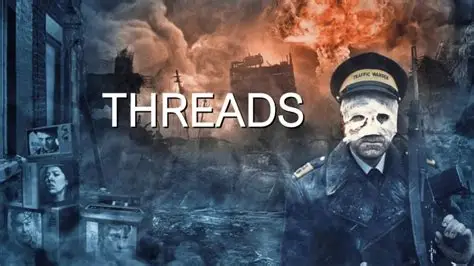
Back in the 1960s,’70s, and the 1980s, the world was locked in a black-and-white chess game known as the Cold War. Films like “Threads”, “The Day After”, and “The War Game” painted stark, haunting pictures of what a nuclear apocalypse might look like. They served as a kind of cinematic wake-up call, reminding everyone just how close that doomsday clock might be to midnight.

Fast forward to the collapse of the Soviet Union, and the world map started looking a lot more fragmented. Gone was the singular East-versus-West narrative, replaced by a tapestry of smaller, often messier conflicts. The Balkans, once held together under Yugoslavia, became a patchwork of new nations with old grievances. And as Russia reasserted itself as a national state, we saw new territorial tensions emerge, like the conflict in Ukraine.
Today, instead of one monolithic standoff, we have a mosaic of regional disputes and ideological divides. It’s a world that might not always be on the brink of a single nuclear showdown but instead dances around a whole array of smaller flashpoints.


