By Cicero News Staff | July 16, 2025
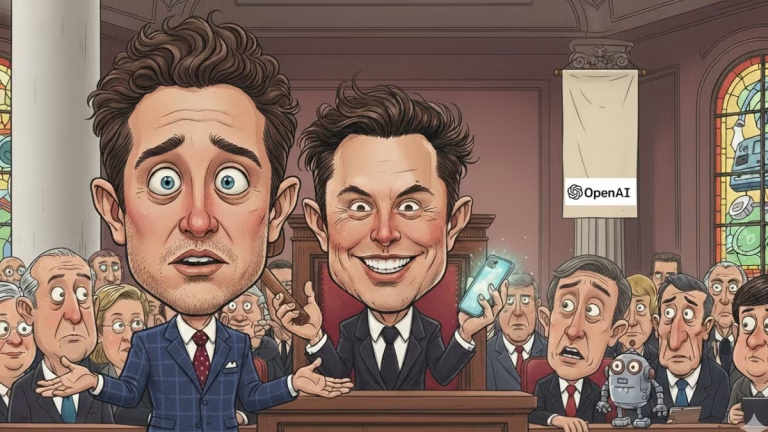
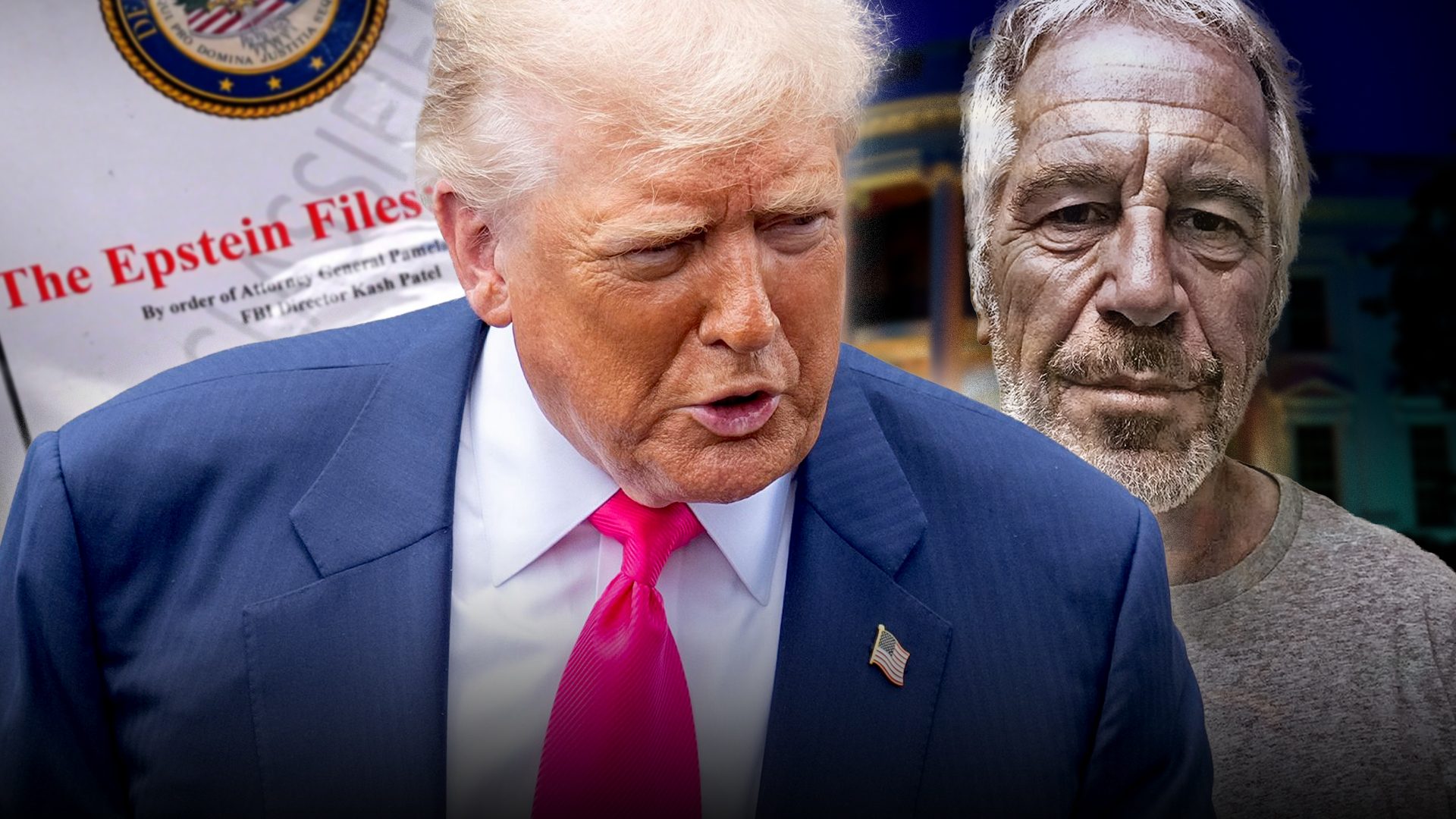
In a sharp turn of political drama that blends scandal, tech mogul muscle, and Washington secrecy, the Epstein files have once again returned to the fore—this time spurred not by prosecutors, but by billionaire Elon Musk.
Musk, now a vocal firebrand in American politics and founder of the newly-launched America Party, recently tweeted:
“Just release the Epstein files. Please release all the Epstein files. No redactions.”
He later deleted the post, but not before it ignited controversy in conservative America, drawing attention back to Donald Trump’s previous association with Jeffrey Epstein, the disgraced financier who met his demise in a Manhattan jail cell in 2019.

Lingering Shadows
Trump, who famously once described Epstein as “a terrific guy” before distancing himself when allegations surfaced, has repeatedly denied any involvement in Epstein’s criminal activities. He maintains that any meetings were strictly in the realm of “networking and finance,” not pleasure or perversion. That same explanation has been echoed regarding Bill Clinton’s multiple meetings with Epstein, though neither man has ever been charged with wrongdoing.
Yet, the optics are grim.
It’s a pattern not unfamiliar in American politics—and it was articulated powerfully by the late Senator Daniel Patrick Moynihan, who chaired the U.S. Commission on Government Secrecy. In 1998, Moynihan issued a warning.
“Secrecy is for losers. This applies to individuals who are unaware of the true significance of the information.
That quote now haunts the Epstein debate like a specter.
If the American public believes their government is shielding powerful figures from accountability—whether it’s Epstein’s associates, or those who silence whistleblowers—then secrecy itself becomes the scandal. The “client list” becomes less about names and more about narrative: a story of two Americas, one for the connected and one for the rest.
This isn’t the first time Trump has faced salacious allegations. The Stormy Daniels affair—complete with hush-money payments and courtroom drama—brought similar questions about his use of silence and legal manoeuvring. But that case was clear-cut: a woman, a cheque, and a paper trail. The Epstein matter is different. Its details are opaque, its implications vast, and its effect—if it festers—could be corrosive not just to Trump’s image but to American institutions themselves.
The recent DOJ memo declaring there was “no credible evidence of blackmail or coercion” and that Epstein’s death was a “confirmed suicide” has not satisfied public curiosity. This is particularly true when individuals such as Musk promote the idea that the government shields the wealthy.

Stormy Skies, Again?
The renewed scrutiny also casts a long shadow on Trump’s broader reputation, particularly his history with hush money and salacious scandals. The Stormy Daniels case, in which Trump was accused of directing illegal payments to suppress news of an alleged affair, continues to haunt his political brand. Although he has previously survived political fallout, the combination of Epstein, Daniels, and what critics refer to as “the billionaire boys’ immunity club” creates a deeply controversial picture.
If the perception solidifies that key files are being suppressed by federal agencies or the White House, it could become an issue of legitimacy—not just optics.
Journalist Marla Davidson asserts that Trump’s appeal has consistently been based on his opposition to the establishment. “But if he’s now considered part of the cover-up culture, that could blow back hard.”
Musk vs. the System
Musk’s motivations aren’t purely altruistic. The tech titan, who has moved X (formerly Twitter) into the political battlefield, is carving out space as a pseudo-outsider insurgent. His repeated barbs at Trump—on issues from deficit spending to Epstein—signal a fracture on the right. In a digital town square Musk controls, he can amplify uncomfortable truths with the flick of a tweet.
His push for full transparency has been welcomed by some Trump supporters but ridiculed by others. The former president’s own Truth Social post dismissed the Epstein discourse as “a boring hoax for losers.”
Still, it raises the spectre of how much truth the public can actually expect from those who govern, especially when the same names keep circling the same scandals, decade after decade.
What This Could Mean for the Presidency
Trust erosion: Trump’s “outsider” image could take damage if he’s perceived to be hiding secrets or defending old establishment allies.
Campaign vulnerability: If Musk and others keep the pressure on, the Epstein question may evolve into a central trust issue in 2026.
Narrative risk: Stormy Daniels, Epstein, and the optics of secrecy could allow opponents to paint Trump as a man too entangled in past deals to lead the future.
📌 Final Word
The public may not yet know the full truth about Epstein’s associations with the powerful. But the narrative is becoming just as potent as any legal fact: a shadowy world of secrets, privilege, and whispers.
And with Musk’s voice getting louder—and the political climate only getting hotter—one thing is certain:
The Epstein question isn’t going away.