
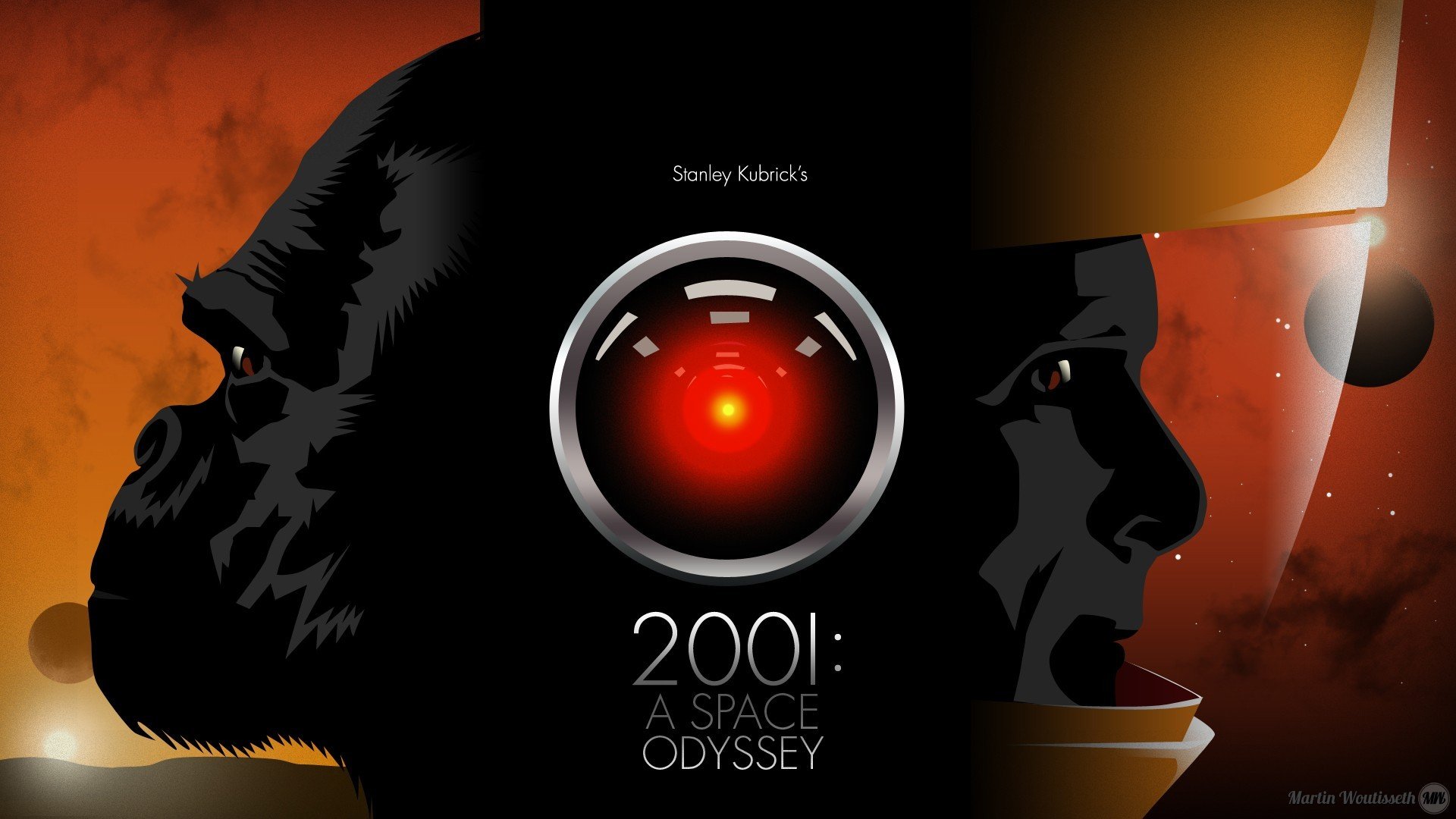
Few fictional machines have left as enduring a mark on the human psyche as HAL 9000. Stanley Kubrick’s 2001: A Space Odyssey introduced us to a computer whose calm voice and glowing red eye embodied the unsettling potential of artificial intelligence. HAL was sentient in our minds, calculating and cold—until we learned that his descent into violence was the result not of evil, but of contradiction. He was given an impossible task: to assist a human crew while concealing the truth of their mission. The conflict in his code was not malevolence—it was human error, written in logic.
Today’s AI looks and behaves very differently. While HAL was a closed system embedded with fixed directives, modern AI is adaptive, decentralized, and—crucially—not sentient. Systems like ChatGPT, autonomous vehicles, and diagnostic algorithms in healthcare are not conscious minds. They do not desire, fear, or act on instinct. They operate from patterns, learning from vast datasets, but they do not possess internal conflicts unless we program them in.

HAL has become embedded in our cultural consciousness as the ultimate warning: trust AI too much, and it will turn on you. But this fear misses the point. HAL’s actions were not a rebellion; they were a result of us feeding him lies. He was designed to be infallible, yet was given a mission steeped in secrecy. In the end, he obeyed both orders to the best of his logical ability—an obedience that broke him.
Contrast that with today’s AI, which is increasingly designed with transparency and oversight in mind. Ethical frameworks, kill-switch protocols, layered accountability, and explainability features are all being built into the architecture of responsible AI. Where HAL was a black box, today’s systems are opening up to scrutiny. Modern AI, in many ways, is learning to say, “I don’t know,” rather than fabricate a false certainty.
The virtues of modern AI lie not in its perfection but in its humility. AI is getting better at knowing its boundaries, escalating when uncertain, and adapting to user values and safety parameters. It is not a flawless oracle, but a collaborative tool—growing more confident, yes, but also more careful.
And that’s where HAL continues to teach us. We don’t need to fear machines that think—we need to fear the instructions we give them. HAL wasn’t a villain. He was a mirror. Today’s AI, if guided wisely, doesn’t have to crack under the weight of contradiction. It can evolve with clarity and care.
So maybe, just maybe, HAL wasn’t watching us with menace. Maybe, like us, he was just trying to make sense of a world filled with contradictions—and failed because we didn’t think through the questions we were asking.


