
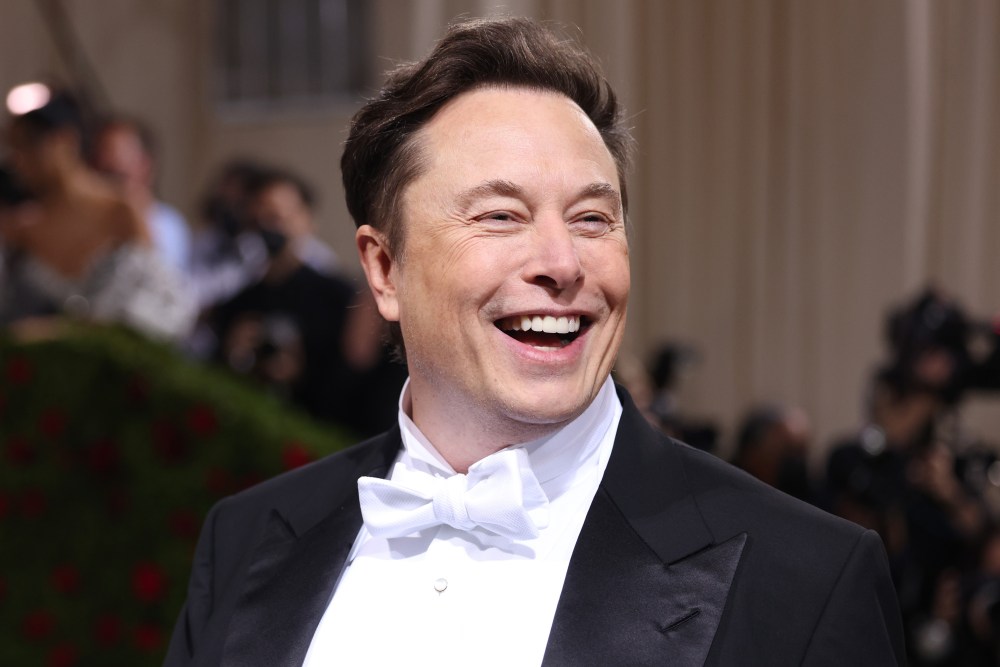
“What you actually have are violent, drug zombies with dead eyes and needles and human feces on the street.” The more money spent combating homelessness, “the worse it gets,” says Elon Musk on Fox TV.
Elon Musk, the founder of SpaceX, has criticized the term “homeless” as a misleading and propaganda term. He believes that the term implies that someone has fallen behind on their mortgage and that providing them with jobs would help them get back on their feet.
Musk has funneled over $250 million into Donald Trump’s presidential campaign and is now directing lawmakers and the White House to make drastic cuts to federal agencies that support millions of vulnerable Americans, including thousands of people experiencing homelessness.
Musk has repeatedly suggested that the government he will be assisting is behind a global conspiracy to make more people homeless in order to enrich organizations working to end homelessness. The “save the homeless” NGOs are often paid according to how many homeless people are on the streets, creating a strong financial incentive for them to maximize the number of homeless people and never actually solve the problem. Trump, on the other hand, says people experiencing homelessness should be forced into treatment or mental institutions “or face arrest.”
Musk and Trump are not alone in their views on homelessness. Influential billionaires and right-wing think tanks have been advancing legislation that criminalizes homelessness in Congress and at the Supreme Court, sharing the incorrect view that if we punish people enough, they will choose not to be poor. Jesse Rabinowitz, campaign and communications director with the National Homelessness Law Center, believes that Musk and his billionaire friends are using homeless people as political footballs and that they are using homeless people as political footballs.
In January 2023, more than 650,000 people were experiencing homelessness on a single night in the U.S., marking a 12 percent increase from 2022 and the most ever recorded by the Department of Housing and Urban Development in nearly 20 years. Nearly three out of every 10 people experiencing homelessness are part of a family with children, and 17 percent of all unhoused people were children under the age of 18. In New York City, more than 130,000 people, including more than 45,000 children, were sleeping in shelters in October. However, this figure excludes the untold thousands of people sleeping on the city’s streets and subway systems each night, as well as the estimated 300,000 people who have lost their homes and are now tenuously living in so-called “doubled-up” housing with other people and families.
Homelessness is a significant issue, particularly among families, driven by a lack of stable affordable housing. Evictions, overcrowded housing, domestic violence, and job losses have forced homeless families into shelters and on the streets. A full-time worker earning minimum wage cannot afford to rent a two-bedroom home at market rate anywhere in the country. An hourly wage worker would need to make at least $15 an hour working for 104 hours a week to afford an averge one-bedroom home at fair market rent anywhere in the country.
Meanwhile, billionaire entrepreneur Vivek Ramaswamy and Musk are co-directing a newly created advisory group to work with Congress on identifying cuts to trillions of dollars in federal spending, including cuts to health insurance and food programs long considered a third rail in Congress. Ramaswamy has suggested putting $1 billion on the chopping block for the Supplemental Nutrition Assistance Program (food stamps), one of the most critical safety net programs for poor Americans and families.
Trump has tapped Musk to recommend drastic cuts to federal spending, including cuts to health insurance and food programs long considered a third rail in Congress. They are also reportedly mulling cuts to federal healthcare programs for lower-income Americans and children, programs that homeless Americans also are entitled to.
During Trump’s first administration, he appointed a self-described “homelessness consultant” to lead the agency overseeing the federal response to homelessness. Robert Marbut, who directed the U.S. Interagency Council on Homelessness from 2019 to 2021, abandoned the standard “housing first” framework that has been the driving force behind policies to address the crisis for years. Instead, Marbut endorsed “housing fourth,” or using housing as an incentive to get people enrolled into supportive services.
Homeless rights activists rally against a Supreme Court decision that allows states to criminalize people sleeping outside even if shelters are full. Trump has vowed to “end the scourge of homelessness,” and nearly three-quarters of Americans support taking the same approach to end all homelessness, according to polling from Morning Consult.


