
The wildlife in the UK is diverse and rich, encompassing a wide range of habitats from coastal areas to woodlands and wetlands. The variety of ecosystems supports numerous species, some of which are endemic or rare.
**Fish Farming:** The UK is known for its aquaculture, particularly in Scotland, where salmon farming is prominent. The industry has grown significantly, focusing on Atlantic salmon, but also includes species like rainbow trout and shellfish. Fish farms aim to meet demand while addressing sustainability issues, such as the impact on wild fish populations and the environment.
**Rare Birds:** The UK is home to several rare and protected bird species. Some notable examples include:
– **Corncrake:** Once widespread, this elusive bird has seen a significant decline in numbers due to habitat loss.
– **Bittern:** Found in marshes, this large, reclusive bird is known for its distinctive booming call and is a conservation success story due to habitat restoration.
– **Red Kite:** Once nearly extinct in the UK, conservation efforts have helped this magnificent bird of prey make a remarkable comeback.
**Rare Animals:** The UK also boasts unique mammals and other wildlife. Some rare species include:
– **Scottish Wildcat:** Often referred to as the UK’s only native wildcat, its population is critically endangered due to habitat loss and hybridization with domestic cats.
– **Hazel Dormouse:** This small, nocturnal rodent is known for its remarkable hibernation habits and is now protected due to habitat destruction.
– **Natterjack Toad:** Found primarily in coastal sand dune habitats, this rare amphibian has a distinctive call and is under threat from habitat loss and competition from other species.
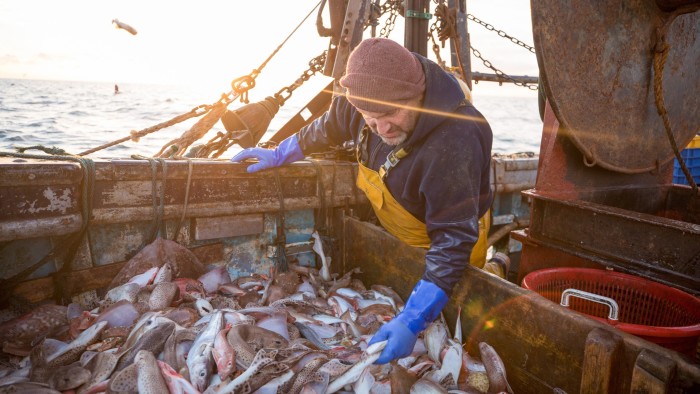
Conservation efforts across the UK aim to protect these species and their habitats, with various organizations working to restore ecosystems and promote biodiversity. The balance of preserving wildlife while managing human activities, such as fishing and land development, remains a key focus for environmentalists and policymakers.
British farming is a vital part of the UK economy and landscape, encompassing a wide range of agricultural practices. The sector includes crop production, livestock farming, and dairy, with an emphasis on sustainability and animal welfare.
**Animal Husbandry:** Farmers in the UK prioritize the health and welfare of their animals. Key practices include:
– **Animal Welfare Standards:** The UK has some of the highest animal welfare standards in the world. Farmers adhere to regulations set by the Animal Welfare Act, which ensures that animals are treated humanely and kept in suitable conditions.
– **Free-Range and Pasture-Based Systems:** Many farmers opt for free-range or pasture-based systems, allowing animals like chickens, pigs, and cattle to roam outdoors. This not only improves their quality of life but also contributes to better meat and dairy products.
– **Health Management:** Regular veterinary care, vaccinations, and health monitoring are integral to farming practices. Farmers work closely with vets to ensure that animals are disease-free and receive prompt treatment when needed.

**Sustainable Practices:** Sustainability is increasingly important in British farming. Methods include:
– **Organic Farming:** Many farms are adopting organic practices, which avoid synthetic pesticides and fertilizers. Organic farming promotes biodiversity and healthier ecosystems.
– **Agroecology:** This approach emphasizes the integration of crops and livestock, improving soil health and reducing reliance on chemical inputs.
– **Precision Farming:** Technology is used to monitor crops and livestock effectively, optimizing resource use and minimizing waste.
**Conservation and Biodiversity:** Farmers also play a crucial role in maintaining the countryside. Initiatives like agri-environment schemes encourage farmers to manage land in ways that support wildlife and preserve habitats. These programs often provide financial incentives for practices that promote biodiversity, such as planting hedgerows or creating wildflower meadows.

**Community and Local Food Production:** There is a growing movement towards local food production, with farmers’ markets and community-supported agriculture gaining popularity. This not only supports local economies but also strengthens the connection between consumers and food producers.
In summary, British farming is characterized by a commitment to animal welfare, sustainability, and community engagement. As challenges like climate change and food security arise, farmers are adapting and innovating to ensure a resilient and responsible agricultural future.


