
The former leader rejects the findings and insists he has committed no wrongdoing.
Cyprus’ independent anti-corruption watchdog has taken the unprecedented step of referring former president Nicos Anastasiades to state prosecutors after a lengthy investigation concluded there were grounds to examine whether criminal offences may have been committed during his decade in office.
The Independent Anti-Corruption Authority said its inquiry uncovered what it described as potential evidence of abuse of power and corruption. Investigators have asked the attorney general to determine whether criminal proceedings should now follow. The referral does not amount to a finding of guilt, and all allegations remain unproven.
The investigation examined claims that Anastasiades may have sought to influence official enquiries involving suspected political donations, intervened in matters connected with a Russian oligarch’s application for Cypriot citizenship, and attempted to obstruct an anti-money laundering investigation involving his former legal practice.
The authority’s conclusions form part of a confidential report exceeding 3,000 pages, supported by extensive documentary evidence gathered during a two-year investigation. Officials said numerous witnesses were interviewed, including investigative journalist Makarios Drousiotis, whose 2022 book Kratos Mafia (Mafia State) first brought many of the allegations into the public domain, as well as Anastasiades himself, who reportedly gave evidence over more than one day.
In a detailed public statement running to around 16,000 words, the authority explained how it assessed each of the principal allegations raised in Drousiotis’ book before deciding that several matters should be passed to prosecutors for independent legal consideration.

The watchdog nevertheless stressed that every individual named in its findings is entitled to the full presumption of innocence and that only the courts can determine criminal liability.
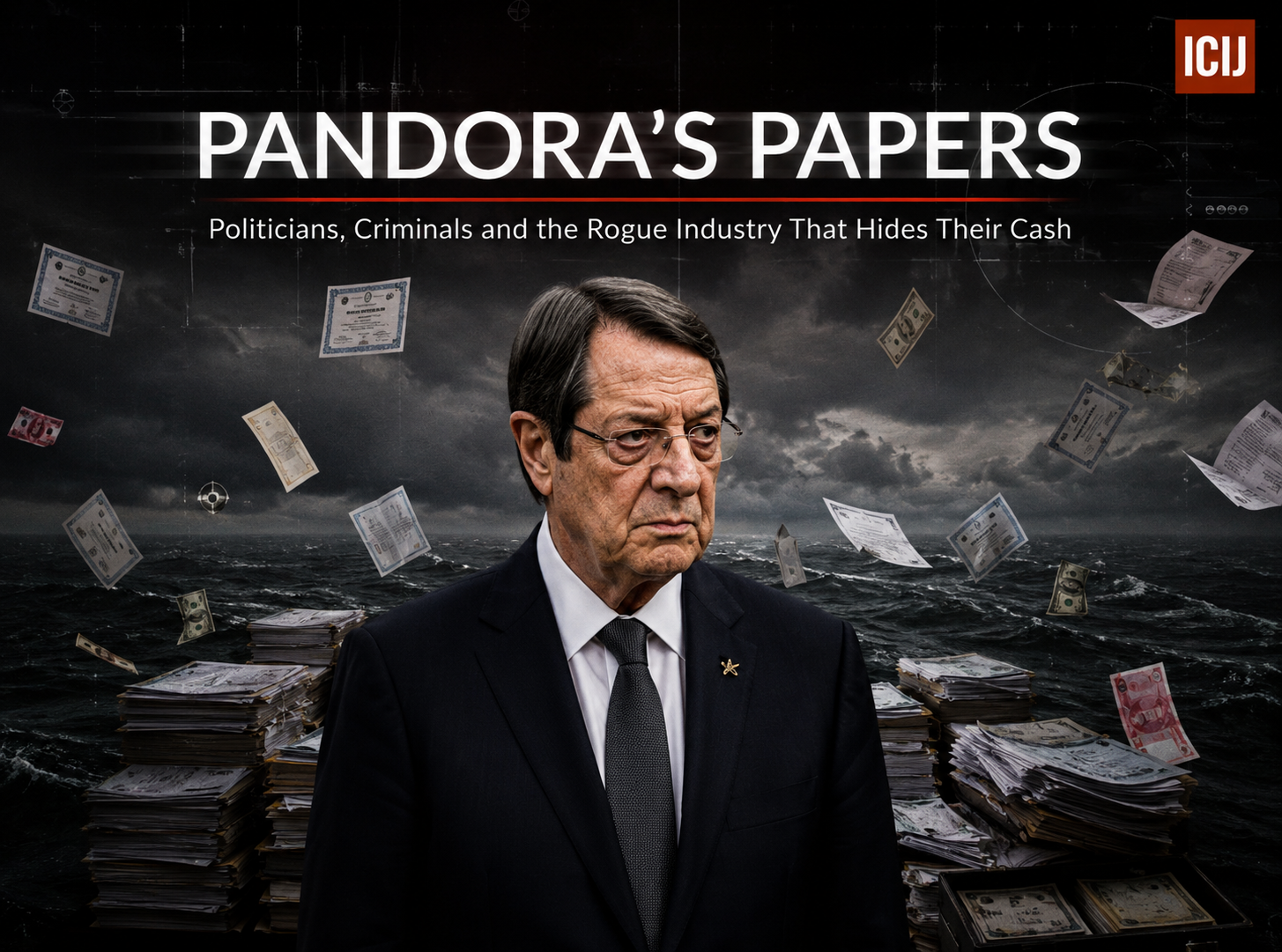
The inquiry also revisited earlier international investigations into Anastasiades’ former law firm, including the Organised Crime and Corruption Reporting Project’s Troika Laundromat investigation and the International Consortium of Investigative Journalists’ Pandora Papers. Those investigations alleged the firm had played a significant role in establishing offshore corporate structures for wealthy Russian clients and facilitating complex financial transactions.
Cyprus established its independent Anti-Corruption Authority in 2022 amid sustained pressure from both the European Union and the United States, following years of criticism over the island’s reputation for financial secrecy, alleged corruption and its close commercial ties with wealthy Russian interests.
Responding after the authority’s findings became public, Anastasiades strongly rejected the conclusions. In a written statement, he argued that many of the allegations identified in the final report had never been put to him during questioning, denying him the opportunity to provide documentary evidence in his defence.
He further maintained that the corruption claims advanced by Makarios Drousiotis had ultimately proved to be without foundation and reiterated that he had acted lawfully throughout his presidency.
The attorney general’s office will now decide whether the evidence gathered by investigators is sufficient to justify criminal proceedings, marking the latest chapter in one of the most politically sensitive corruption enquiries Cyprus has faced in recent years.


