
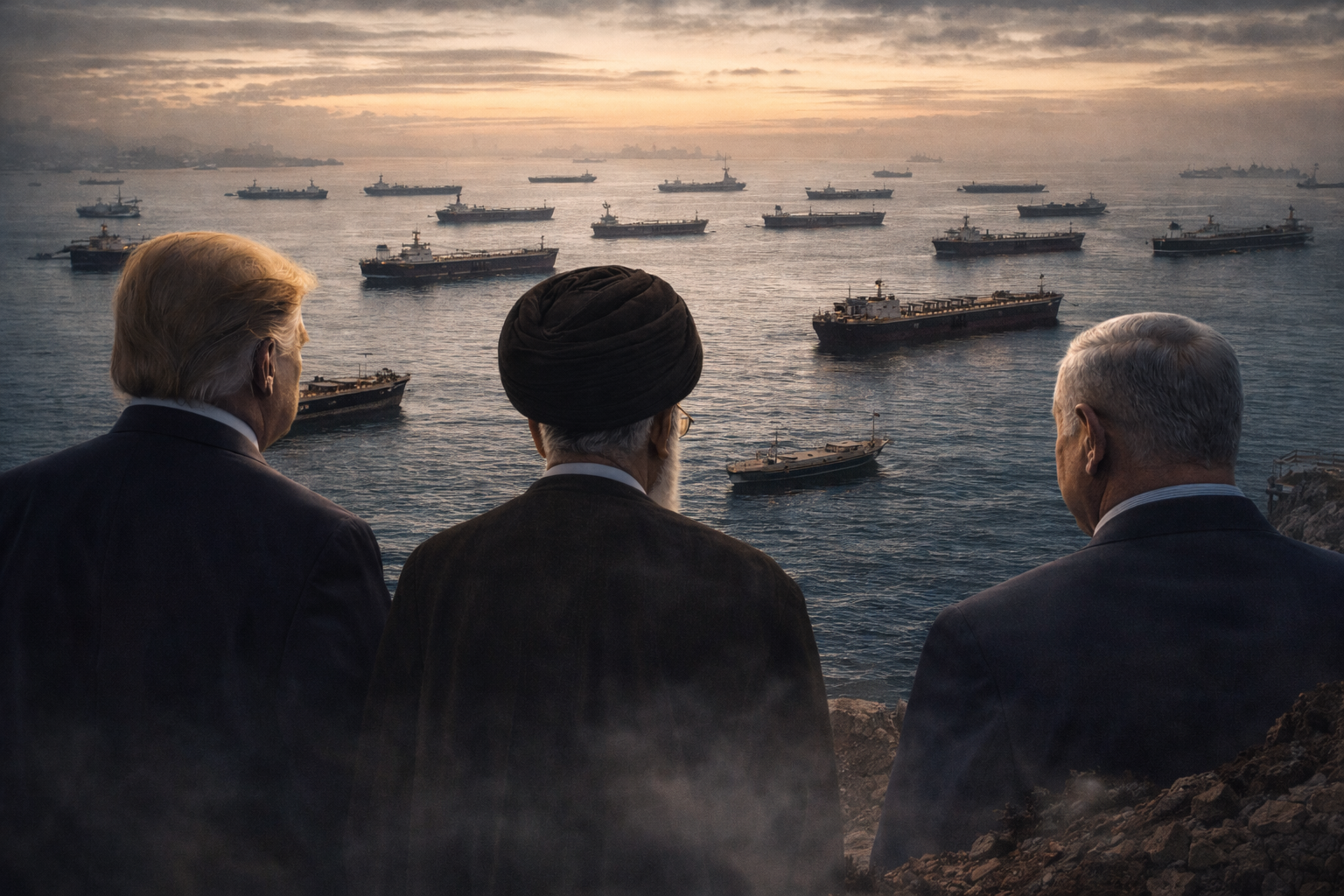
Tehran demands permanent peace as US weighs temporary truce.
Iran has formally rejected a United States-backed ceasefire proposal, instead calling for what it describes as a “definitive” end to the war, according to state media. The response, delivered through diplomatic channels, outlines a series of conditions that go far beyond a temporary halt in fighting.
Among Tehran’s key demands are a complete cessation of hostilities across the region, the lifting of economic sanctions, and the establishment of secure international protocols to guarantee safe passage through the strategically vital Strait of Hormuz.

Officials in Iran have made clear that short-term truces are insufficient, signalling a preference for structural guarantees that would reshape the security landscape of the region rather than merely pause the conflict.
45-DAY TRUCE PROPOSAL GAINS TRACTION — BUT NO FINAL APPROVAL
Behind the scenes, diplomatic efforts are accelerating at pace. Mediators, including regional powers, are pushing a two-phase peace framework beginning with a proposed 45-day ceasefire designed to create space for broader negotiations.
Former US President Donald Trump has described the proposal as a “very significant step”, though the White House has emphasised that no final agreement has been approved.
Under the reported framework, the temporary truce would aim to stabilise the situation, reopen critical shipping routes, and lay the groundwork for a permanent settlement. However, Tehran has expressed scepticism, particularly over demands tied to reopening the Strait of Hormuz during a temporary ceasefire.
“LAST-DITCH” DIPLOMACY UNDERWAY AS TENSIONS RISE
Diplomatic sources describe the current negotiations as urgent and high-stakes, with what one insider characterised as “last-ditch” efforts to prevent further escalation.
Despite the flurry of activity, there remains a fundamental sticking point. Some negotiators insist that a ceasefire must come first to build trust, while Iran continues to argue that any pause without guarantees risks being exploited.
The stakes are immense. The Strait of Hormuz, a narrow maritime corridor through which roughly a fifth of the world’s oil supply flows, has been effectively disrupted during the conflict, sending shockwaves through global energy markets and pushing prices sharply higher.

ISRAELI STRIKES TARGET KEY IRANIAN INFRASTRUCTURE
Meanwhile, military action shows no sign of slowing. Israel has confirmed strikes on major Iranian infrastructure, including a significant petrochemical facility reportedly responsible for a substantial share of the country’s output.
Such attacks form part of a broader campaign targeting Iran’s economic and military capabilities. Iranian officials have warned of retaliation, raising fears of a wider regional confrontation as both sides continue to exchange blows.
A REGION ON THE EDGE
With threats escalating and oil markets trembling, the conflict has become a high-wire act stretched across the Middle East. On one side, the language of diplomacy grows more urgent; on the other, missiles continue to write their own brutal punctuation.
Whether the proposed ceasefire becomes a bridge to peace or just another mirage in the desert now depends on a single, stubborn question: is a pause enough, or must the war end entirely before the talking can truly begin?


