
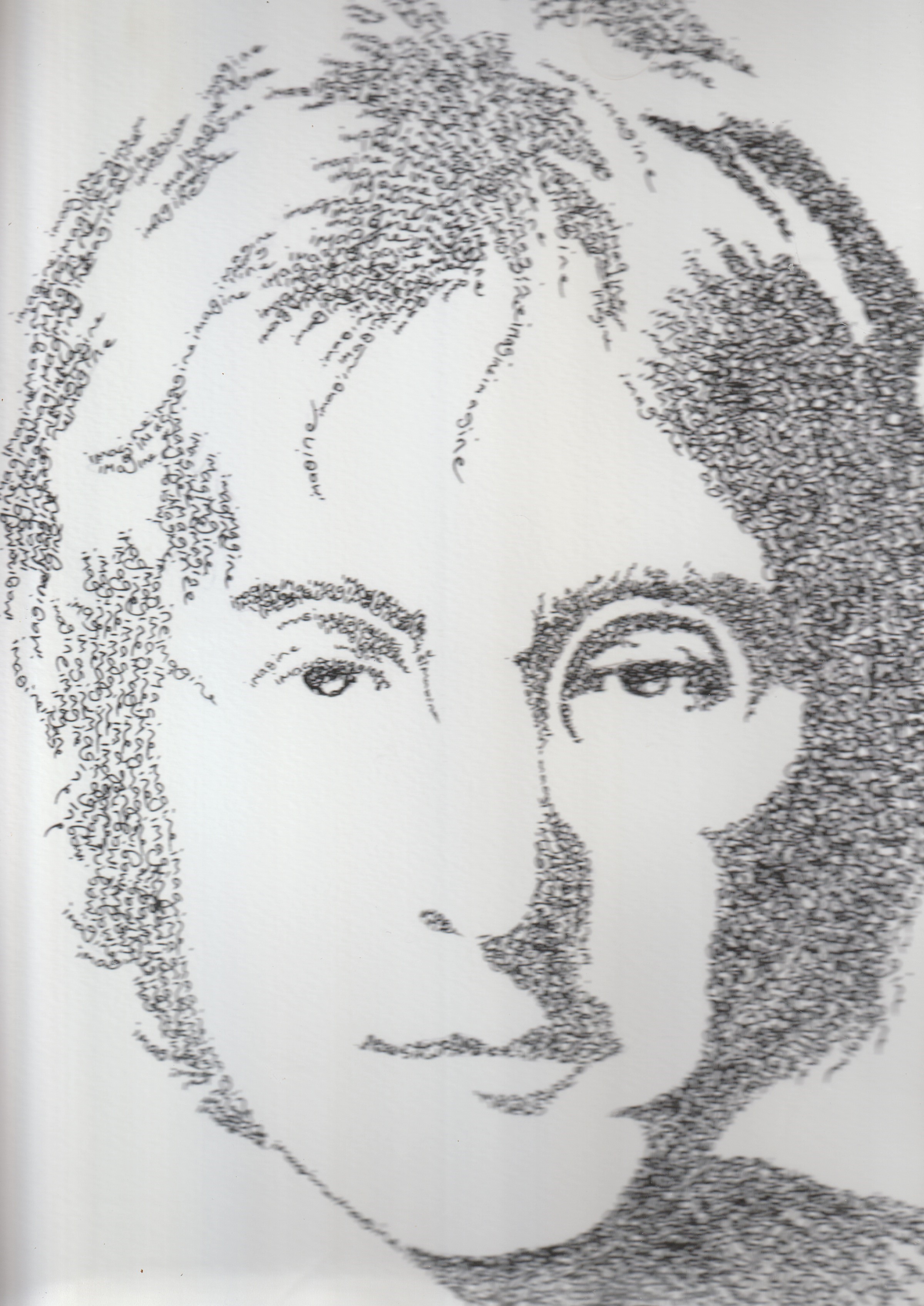
magine: The Spiritual Roots of John Lennon’s Most Hopeful Song
Few songs in modern history have carried the quiet moral force of Imagine. Written and recorded in 1971 by John Lennon, the song has become something close to a secular hymn, sung at moments of grief, celebration, and reflection around the world. Yet the spirit behind it did not appear overnight. Its roots lie deep in Lennon’s childhood in Liverpool and in the restless search for meaning that followed him through his years with The Beatles and beyond.
John Lennon was born in 1940 in the port city of Liverpool during the chaos of the Second World War. The city was under heavy bombing from German air raids, and Lennon’s early life was marked by instability. His father, Alfred Lennon, was a merchant seaman who spent long stretches away from home. His mother, Julia Lennon, loved him dearly but could not consistently care for him. As a result, young John was largely raised by his strict but protective Aunt Mimi.
These early years left a deep emotional mark on Lennon. Friends and biographers often describe him as witty and rebellious, but also insecure and sensitive. Beneath the sharp humor and bravado was a boy who feared abandonment and longed for connection. Music became both an escape and a form of expression.
Julia Lennon played a crucial role in this transformation. She introduced her son to rock ‘n’ roll and taught him his first chords on the banjo. Through music, Lennon discovered a language powerful enough to channel both joy and pain.
In the late 1950s, Lennon formed a skiffle group that would eventually become The Beatles. Alongside Paul McCartney, George Harrison, and Ringo Starr, Lennon helped create a cultural revolution. The Beatles became the most famous band in the world during the 1960s, redefining popular music and youth culture.
Yet fame did not quiet Lennon’s deeper questions about life, society, and humanity. As the decade progressed, his songwriting grew more reflective. Songs like “All You Need Is Love” and “Across the Universe” hinted at a growing spiritual curiosity. Lennon was increasingly interested in ideas about peace, unity, and the possibility of a better world.
This search intensified after the Beatles began to break apart. Lennon, together with artist and activist Yoko Ono, became involved in peace movements and experimental art. Their famous “Bed-In for Peace” protests symbolized their belief that creativity and imagination could challenge the violence and divisions of the era.
Out of this period of reflection came Imagine.
Released in 1971, the song is built on a simple piano melody and a series of bold invitations to the listener: imagine a world without borders, without possessions, and without divisions that set humanity against itself. The lyrics do not preach religion or politics directly. Instead, they encourage listeners to picture a shared human future built on peace.
The song was controversial in some quarters, particularly for its opening line asking listeners to imagine there is “no heaven.” Yet for many people the message felt profoundly spiritual. Lennon was not dismissing faith so much as asking whether humanity could learn to live together first.
More than fifty years later, Imagine remains one of the most recognizable and beloved songs ever written. It is played at global events, memorials, and moments of collective reflection.
The boy who once felt insecure growing up in Liverpool ultimately wrote a song that invited the whole world to dream together. Lennon’s message was simple but enduring: before humanity can build a better future, it must first have the courage to imagine one.


