
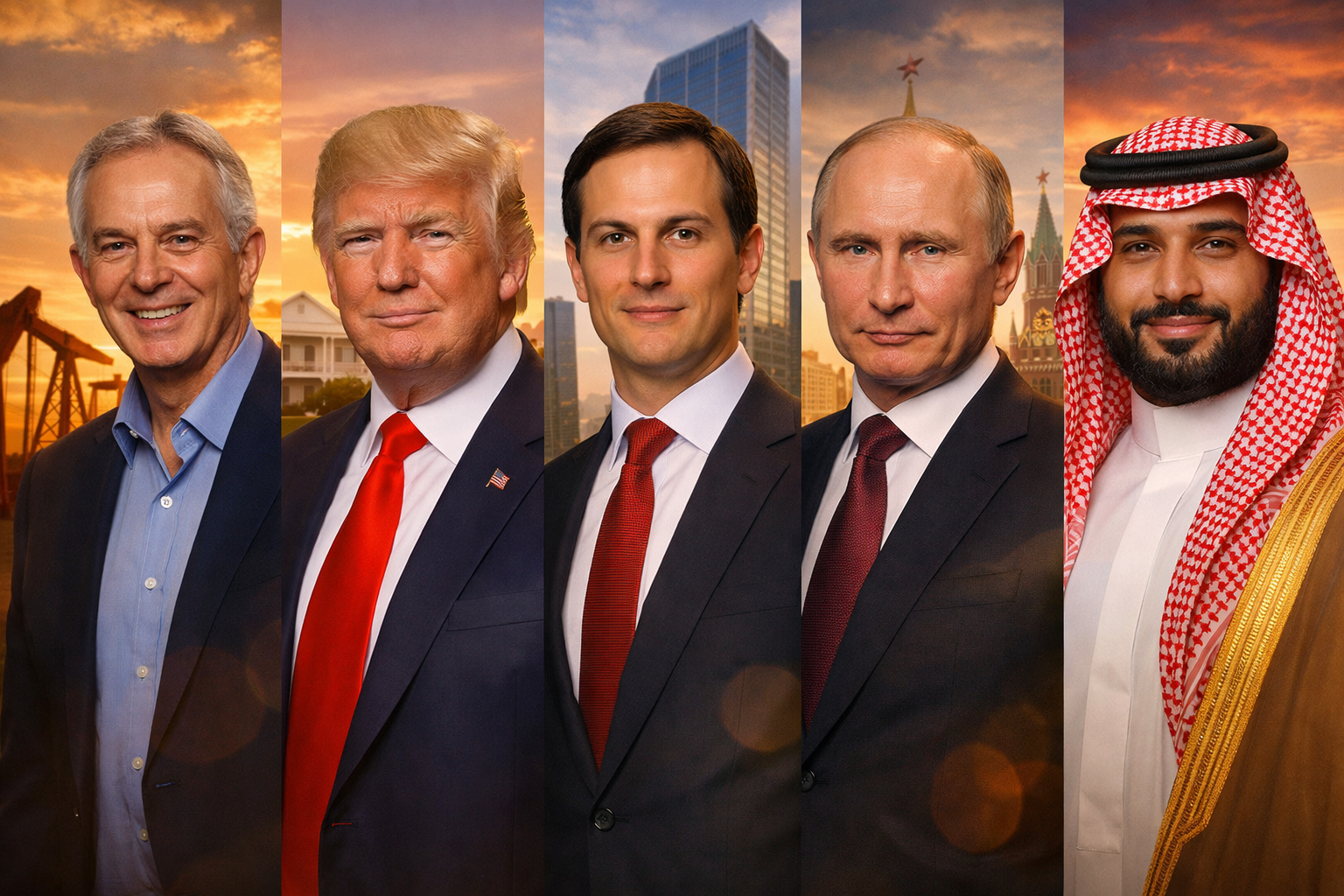
Trump’s ‘Board of Peace’ Launches Amid Skepticism: A Nobel Prize Push or Just Plain Bored?
By Cicero Newsite
Davos, Switzerland — January 24, 2026
In a glitzy ceremony at the World Economic Forum in Davos this week, U.S. President Donald Trump formally launched his ambitious “Board of Peace” (BoP), an international body he bills as the key to resolving global conflicts — starting with Gaza but with eyes on a broader mandate.
Trump, who will serve as lifelong Chairman with no term limits, held up the signed charter like a trophy, declaring it “one of the most consequential bodies ever created in the history of the world.”
Critics, however, were quick to dub it the “Bored of Peace,” pointing to its roster of authoritarian leaders, accused human rights abusers, and controversial figures — a lineup that seems more likely to spark eye-rolls than olive branches.

With Trump long vocal about his desire for a Nobel Peace Prize (he was nominated multiple times during his first term for the Abraham Accords), detractors see the initiative as less about altruism and more about polishing his legacy.
The Board originated as part of Trump’s 20-point plan to end the Gaza conflict and oversee reconstruction, including controversial ideas floated by advisers like turning parts of the strip into a luxury development zone.
But it has rapidly expanded, with Trump insisting it could tackle “pretty much whatever we want” in hotspots worldwide — while vaguely promising to “work with” the United Nations, which he has repeatedly criticized as ineffective.

A Star-Studded — and Controversial — Cast:
The founding executive board includes familiar Trump allies: son-in-law Jared Kushner (previously involved in Middle East deals and once mocked for suggesting Gaza could become a “waterfront property” riviera), former British Prime Minister Tony Blair (still haunted by his role in the Iraq War), U.S. Secretary of State Marco Rubio, and real estate envoy Steve Witkoff.
The wider membership draws from dozens of countries, with representatives from over 20 nations attending the Davos signing. Permanent seats reportedly require a $1 billion contribution — a “pay-to-play” model that has raised eyebrows.
To address circulating questions about specific participants:
– Benjamin Netanyahu (Israel): Sources confirm Israel intends to join, with Netanyahu reportedly agreeing despite initial hesitation.
– Mohammed bin Salman (Saudi Arabia): Saudi Arabia has signed on, represented by Foreign Minister Faisal bin Farhan Al Saud.
– Vladimir Putin (Russia): Invited; the Kremlin has acknowledged the invitation, though no representative attended the signing and confirmation is pending.
– Mohammed bin Zayed (United Arab Emirates): UAE has signed, represented by special envoy Khaldoon Khalifa Al Mubarak.
– Aleksandr Lukashenko (Belarus): Belarus intends to accept and join.
– Ilham Aliyev (Azerbaijan): Present and signed as president.
– Shavkat Mirziyoyev (Uzbekistan): Present and signed as president.
– Jared Kushner: Confirmed on the founding executive board.
– Tony Blair: Confirmed on the founding executive board.
…and of course, Donald Trump: Lifelong inaugural Chairman.
This assemblage has fueled intense criticism. Human rights groups and diplomats have highlighted the inclusion of leaders accused of authoritarianism, ethnic cleansing allegations, torture, and war crimes.
One European diplomat anonymously told reporters: “This isn’t a board of peace — it’s a club for strongmen who share a transactional view of the world.”
Mixed Global Reception
While countries like Hungary (Viktor Orbán), Argentina (Javier Milei), and several Muslim-majority states (including Qatar, Turkey, and Morocco) eagerly signed on, major Western allies have demurred.
The UK, France, Germany, and others have declined, citing concerns that the BoP could undermine the UN. Russia and China remain non-committal, wary of any rival to their Security Council influence.
Palestinian representatives and Gaza observers have been particularly scathing, calling the plan “catastrophic” and a “parody of colonial oversight” that sidelines their input while prioritizing security and development under heavy external control.
Trump brushed off the skepticism, claiming the world is “richer, safer, and much more peaceful” thanks to his efforts. “Everyone wants to be a part,” he insisted, though the empty seats from major powers told a different story.
As the Board of Peace — or Bored of Peace, depending on your viewpoint — begins its work, one question lingers: Will it deliver enduring stability, or merely serve as a gilded stage for its chairman’s Nobel dreams? Only time, and perhaps the Norwegian committee, will tell.


