
London, 21 January 2026 – In a calculated move amid escalating tensions with Washington, the UK government has approved plans for China’s largest embassy in Europe on the prestigious former Royal Mint Court site in central London, signalling a willingness to deepen ties with Beijing as a counterweight to President Donald Trump’s aggressive push for Greenland.

The decision, confirmed yesterday after years of delays over security concerns, allows redevelopment of the historic site near the Tower of London into a vast diplomatic complex spanning over 215,000 square feet. China acquired the property in 2018, and the approval comes as Prime Minister Keir Starmer prepares to travel to Beijing next week with senior business leaders to revive the UK-China business dialogue and pursue major investment deals.
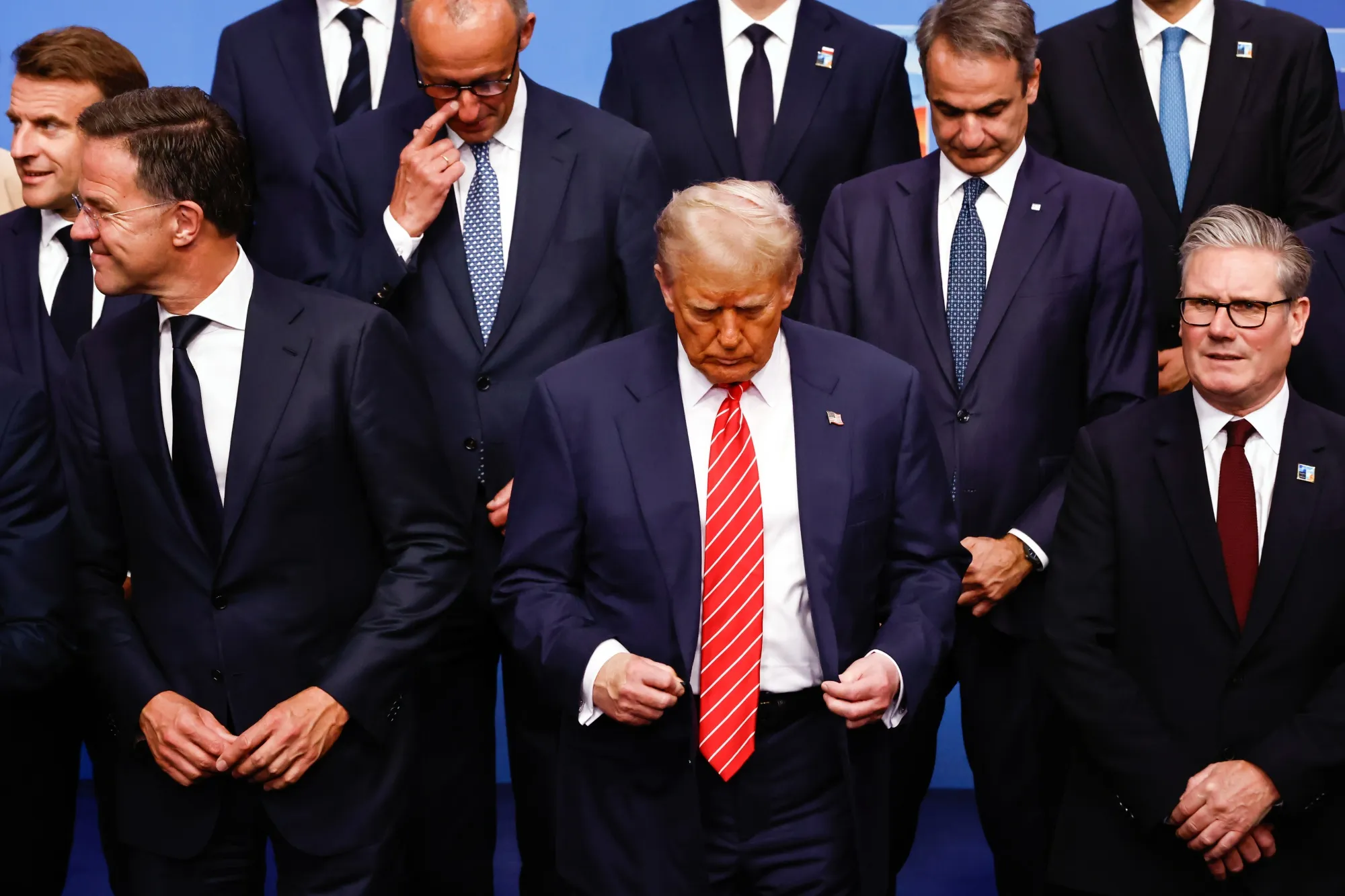
This reset occurs against the backdrop of Trump’s intensifying threats to acquire Greenland, an autonomous territory of NATO ally Denmark. The US president has refused to rule out military force, threatened sweeping tariffs on Denmark, the UK, and other European nations starting as early as 1 February, and continued posting provocative AI-generated images of himself claiming the Arctic landmass. As Trump arrives in Davos for high-stakes meetings, European leaders express outrage, with Greenlanders staging ongoing protests against any handover.

The site of the new Chinese ‘Super’ Embassy at the site of the old Royal Mint in London
Economic Leverage as the Weapon of Choice
With the City of London remaining a global financial powerhouse comparable to Germany’s economic heft in Europe, Britain possesses tools beyond military might to resist perceived bullying. Analysts suggest that forging closer economic relations with China – the world’s other superpower – could amplify pressure on Trump.
A coordinated European shift towards Beijing for trade and investment, alongside proposed retaliatory tariffs potentially targeting up to £93 billion in US exports like aircraft, bourbon, and other goods, risks exacerbating America’s $38 trillion-plus national debt and hitting key industries.
Such measures could erode domestic support for Trump ahead of future electoral cycles, forcing a rethink of his “manifest destiny” rhetoric on Greenland. One senior foreign policy expert noted, “Facing a bully demands resolve, not concession. By leveraging London’s financial networks and re-engaging China, the UK demonstrates it will not be cowed by tariff threats against a NATO partner.”
Risks and Realities of the Gamble
Critics, including US lawmakers, warn the embassy approval “defies common sense” given espionage risks, potentially straining the special relationship further. Yet proponents argue it is precisely this toughness – using economic diplomacy rather than direct confrontation – that may compel Trump to de-escalate. Europe is scrambling to avert tariffs while preparing countermeasures, underscoring a collective view that alliances must be defended.
As Greenlanders continue to voice fierce opposition and markets react with volatility, the coming days in Davos will test whether Britain’s China card, combined with European unity, can deter aggression without broader economic fallout. In an era of superpower rivalry, standing firm may prove the only path forward.


