
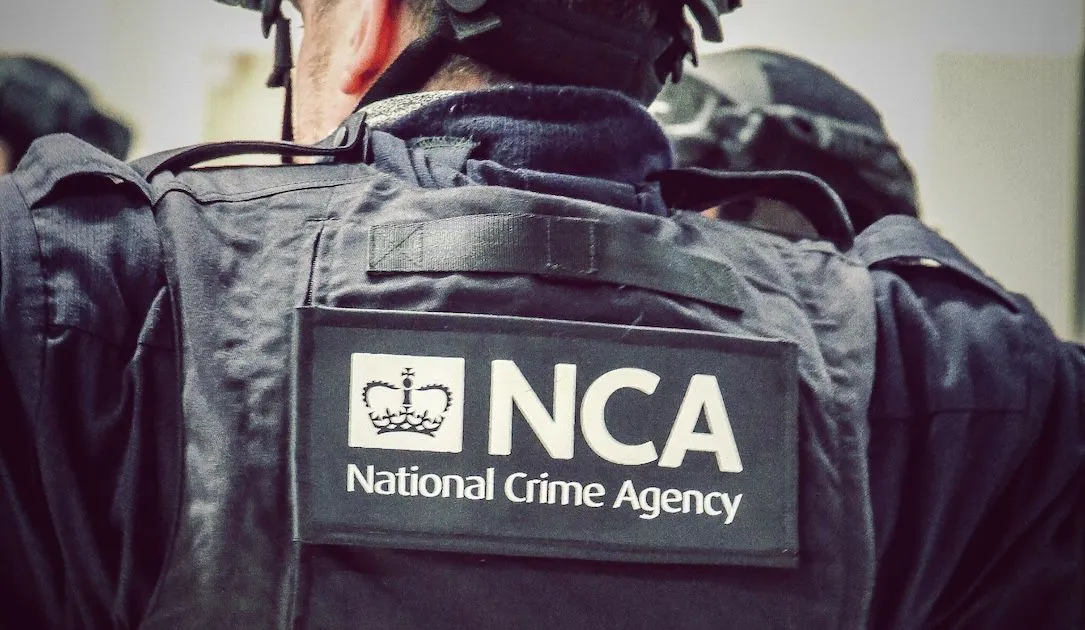
What started as a digital trail from a ransomware extortion war has transformed into the UK’s most daring financial crime investigation in a decade.
Dubbed Operation Destabilise, this sweeping probe by the National Crime Agency (NCA) ripped the mask off a global money-laundering machine, where dirty cash and cryptocurrency wove a seamless tapestry between street-level crime and state-backed espionage.
The Threads They Pulled
The investigation ignited in 2021, when blockchain forensics tracing Ryuk ransomware payments revealed grotesquely large flows of illicit funds. Suddenly, it wasn’t just ransomware—it was a sprawling international laundering network.

At the heart of this web were two criminal networks:
Smart Group, headed by Ekaterina Zhdanova, a well‑connected Russian socialite‑turned‑crypto‑queen. Smart converted ransom and drug cash into cryptocurrency, partly funding espionage operations.

TGR Group, orchestrated by George Rossi, alongside Elena Chirkinyan and Andrejs Bradens. This outfit offered a “financial concierge” service: laundering, legal cover, investment channels, and passport routes—all in plain sight.


