
By: Cicero, Chief Medical Adviser Reporter (on special assignment)
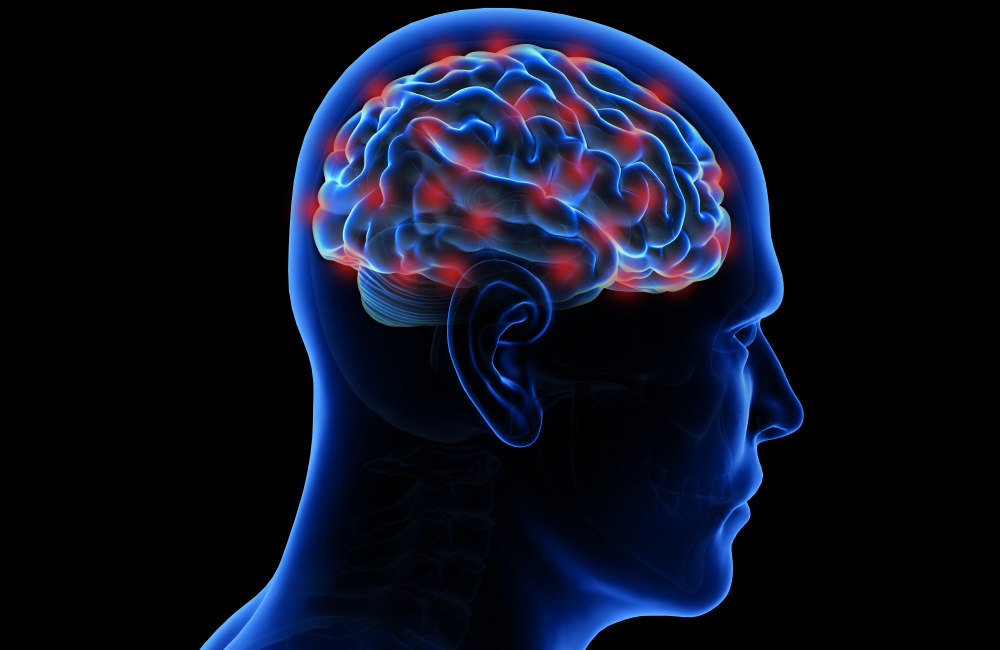
The human brain is often romanticised as the seat of consciousness, creativity, and culture—but beneath its poetic veneer lies a densely layered organ forged by millions of years of evolutionary trial and error. If we peel back the cortex like the layers of an onion, what we find is not a sleek machine but a living museum of our species’ survival story.
The Reptilian Brain: Ancient, Automatic, Essential
At the core lies the brainstem and basal ganglia, often referred to as the “reptilian brain.” This part controls fundamental processes: breathing, heartbeat, hunger, balance, and fight-or-flight responses. It doesn’t care for philosophy or poetry—its job is to keep you alive. When startled, it acts before reason even wakes up.

The Limbic System: Emotion, Memory, and the Mammalian Upgrade
Wrapped around the brainstem is the limbic system, which includes structures like the amygdala, hippocampus, and hypothalamus. This is where memory is forged and emotion is born. The limbic system is the stage for love, fear, reward, and trauma. It is here, in the hippocampus, that trauma can etch itself into memory with brutal clarity.
This system allowed mammals to nurture their young and form social bonds—huge evolutionary advantages. It’s also why you might cry at a film or remember your first kiss more vividly than your PIN number.
The Neocortex: The Human Renaissance Layer
And then comes the neocortex: vast, folded, and famously grey. It’s the most recently evolved part of the brain and is responsible for language, abstract thought, planning, and self-reflection. Here, neurons communicate across hemispheres and lobes, constructing everything from mathematical proofs to musical compositions.
The frontal lobes—especially the prefrontal cortex—are the CEO suite of the brain, home to judgment, decision-making, and moral reasoning. Damage here can radically alter personality. This is the part that asks, “Should I say this out loud?”
Neuromelanin and Synaptic Health
Hidden in the midbrain, particularly in the substantia nigra, is a lesser-known player: neuromelanin. Unlike skin melanin, neuromelanin is thought to protect neurons from oxidative stress. It accumulates with age, but its decline is linked to neurodegenerative conditions such as Parkinson’s and Alzheimer’s.
Some research suggests that neuromelanin may play a role in regulating synaptic efficiency. Like a biological circuit stabiliser, it may aid in insulating and timing the flow of neurotransmitters. When depleted or dysfunctional, this can lead to synaptic misfiring and cognitive decline.

Brain Scanning and the 21st-Century Map
Tools like fMRI and PET scans have lit up the once dark corridors of the brain, allowing scientists to see neural networks in action. We can now watch memory being formed, emotions lighting up, and decisions playing out in real-time. This has confirmed the brain’s layered architecture: evolution didn’t replace old structures, it built around them.
The Future: Can We Heal the Brain from Within?
Understanding these ancient and modern layers isn’t just academic. Dementia, trauma, depression—they are battles fought in different parts of the brain. Emerging research in neuroplasticity, stem cells, and even targeted melanin therapies holds promise. Can we encourage the brain to rebuild what time and stress have worn down?
We may one day administer treatments that replenish neuromelanin or rewire damaged circuits, making cognitive decline a condition we understand and manage, not fear.


