
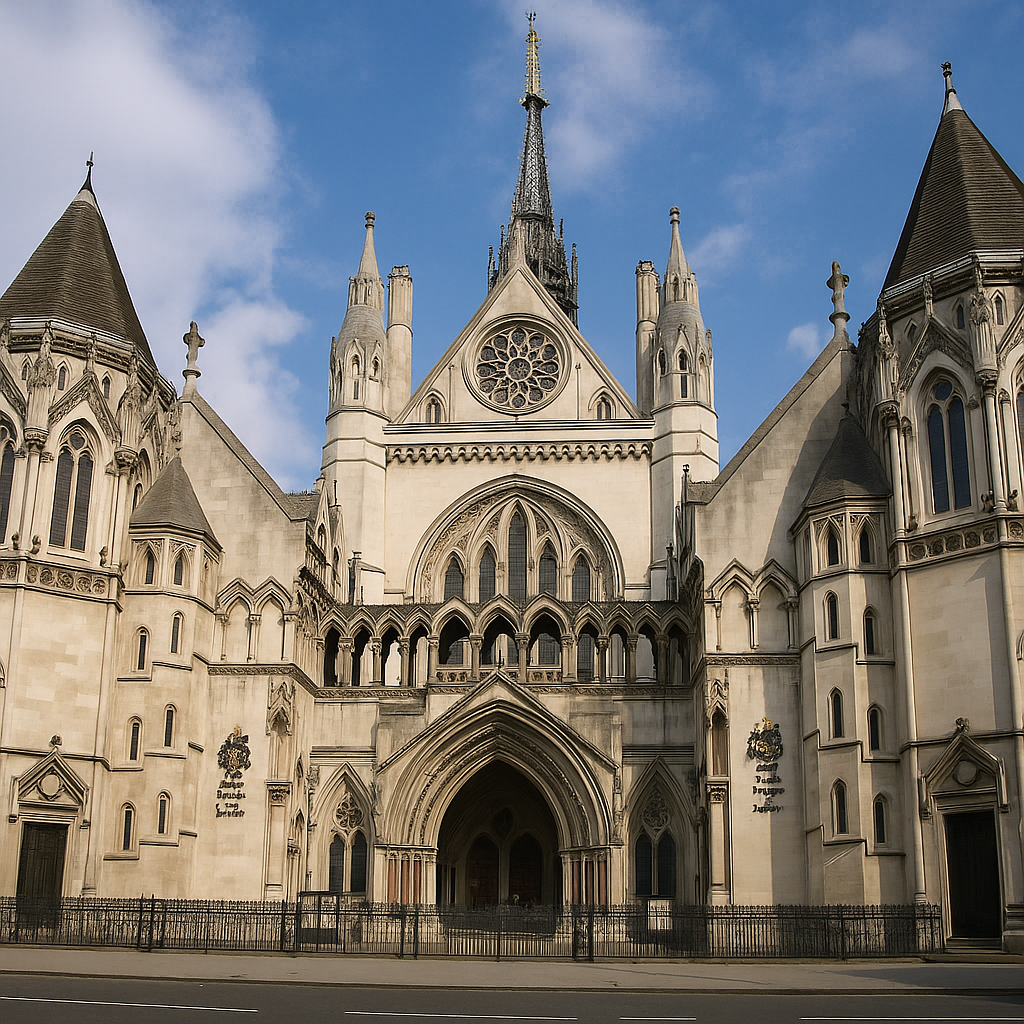
The High Court case involving MI5 centres on a disturbing revelation: the agency provided false evidence to multiple courts concerning an informant known only as “X.” This individual, a neo-Nazi extremist, was alleged to have committed severe domestic abuse against his partner, “Beth,” including a machete attack. X reportedly exploited his informant status to claim immunity from legal consequences.
In 2022, the BBC investigated these allegations but faced legal obstacles when the government, citing national security concerns, obtained an injunction preventing the disclosure of X’s identity. MI5 maintained its “neither confirm nor deny” (NCND) policy regarding X’s status. However, a recorded conversation revealed that a senior MI5 officer had confirmed X’s role as an informant to a BBC journalist, contradicting official statements.

This contradiction led to a High Court hearing where Mr Justice Chamberlain acknowledged that MI5 had provided false information. MI5’s Director-General, Ken McCallum, issued an unreserved apology, and Home Secretary Yvette Cooper initiated an independent review led by Sir Jonathan Jones KC to investigate the matter further.
Beth has pursued legal action through the Investigatory Powers Tribunal, alleging that MI5’s recruitment and handling of X breached her human rights. The case raises significant concerns about the oversight of intelligence agencies and their accountability, especially when informants are implicated in serious crimes.
M.I.5’s protocol for giving evidence in court can be seen here
For a detailed exploration of the case, you may find the following BBC Newscast interesting:


