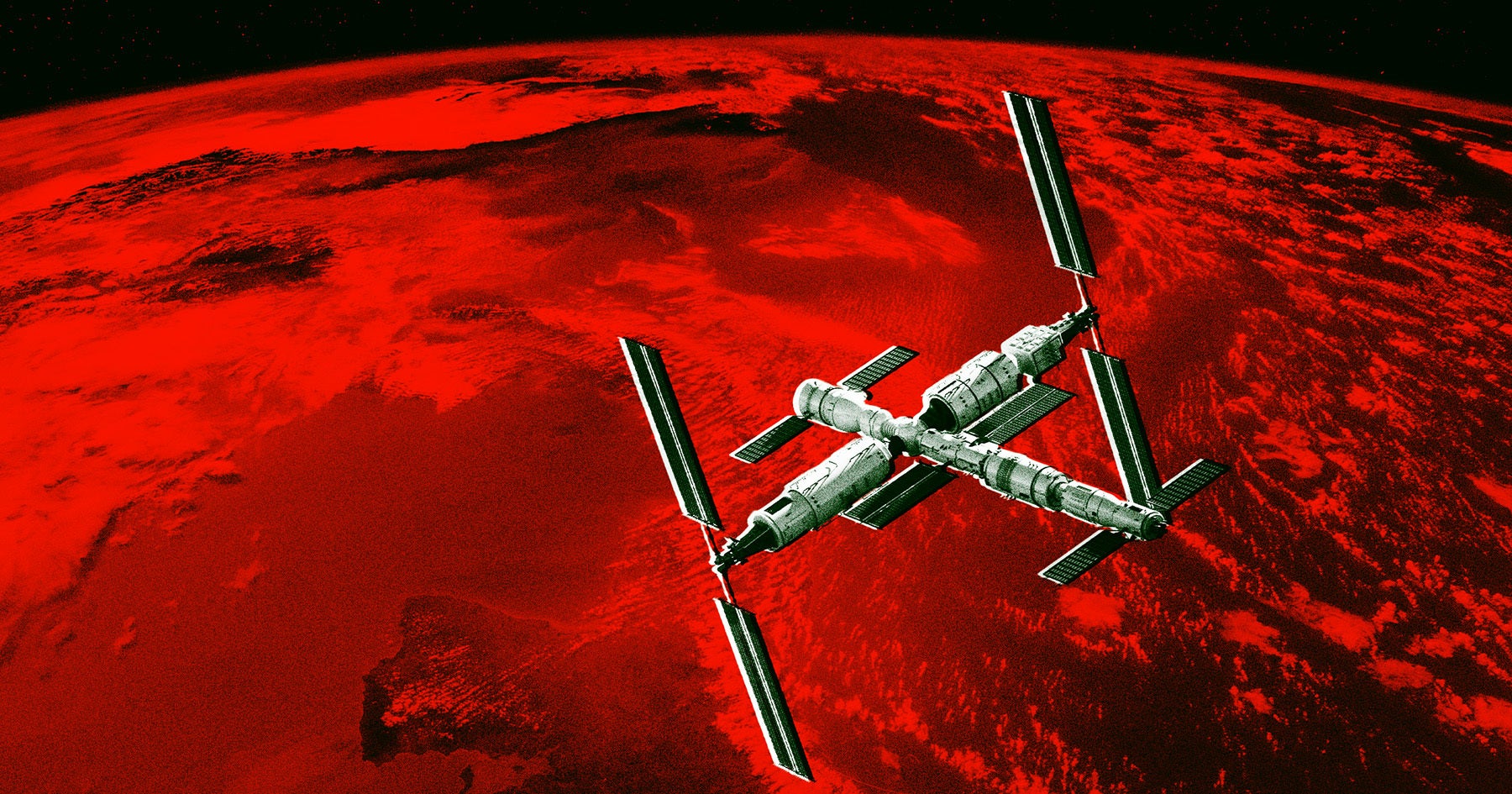
Researchers have identified an unprecedented bacterium within China’s Tiangong space station.
A novel strain of bacterium, designated Niallia tiangongensis in honour of the space station, is a variation of a soil-dwelling terrestrial microbe capable of inducing sepsis, and was discovered within one of the station’s cabins.

A recent examination of the strain has demonstrated that the bacterium is not unique but has acquired significant modifications that may prove beneficial for future space missions.
The researchers disseminated their findings on March 3 in the International Journal of Systematic and Evolutionary Microbiology.
The researchers stated in the report, “Understanding the features of microorganisms during long space missions is crucial for protecting astronaut health and ensuring spacecraft functionality.”

A new strain was identified in samples taken in 2023 by the Shenzhou-15 mission crew, who utilised sterile wipes to swab the space station’s modules before freezing them for shipment.
Upon returning to Earth, examination indicated that the bacteria were closely associated with Niallia circulans, a rod-shaped, spore-forming bacterium commonly found in soil, sewage, and food, which can induce sepsis in vulnerable individuals.