
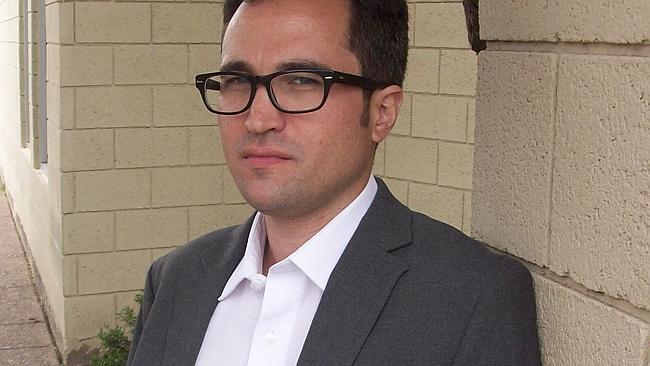
Daniel Ringmaiden and Brett Johnson are names associated with two distinct areas of criminal activities: tax relief fraud and the use of technology in law enforcement investigations involving devices such as Stingray.
Daniel represented himself in a Freedom of Information Act case against the FBI, successfully requesting additional papers and removing redactions from previously given materials. Daniel has also worked as a defence expert in federal and state criminal cases using cell phone surveillance.
**Daniel Ringmaiden and Tax Relief Fraud**
Daniel Ringmaiden was known for his involvement in elaborate tax fraud schemes. Such schemes typically involve the illicit acquisition of personal identifying information, which is then used to file fraudulent tax returns and collect refunds from the IRS. These crimes have become more prevalent with the increasing digitization of tax-related processes.

The methods utilized in these fraudulent activities often include identity theft, where criminals steal Social Security numbers and other personal data. This data is then used to file fake returns, usually early in the tax season to maximize the chances of slipping past the IRS before legitimate returns are submitted by the actual taxpayers.
**Brett Johnson’s Cybercrime**
Brett Johnson, another figure tied to tax-related criminal activities, was once dubbed the “Original Internet Godfather.” His expertise lay in online fraud and cybercrime. Johnson played a significant role in the ShadowCrew—a pioneering cybercrime forum that facilitated a range of illicit activities, including identity theft, credit card fraud, and indeed, tax fraud. ShadowCrew provided a marketplace for stolen data and a platform for cybercriminals to share techniques for exploiting online vulnerabilities.
Johnson’s activities led to substantial financial loss and data breaches, highlighting the significant threat posed by cybercrime in the digital age. His eventual capture and cooperation with law enforcement highlighted the evolving tactics used both by cybercriminals and by authorities to protect sensitive information.

**Stingray Technology**
Stingray devices, also known as cell site simulators or IMSI catchers, are electronic surveillance tools used by law enforcement to track and identify cell phones. They work by mimicking a real cell tower, tricking nearby cell phones into connecting to them and transmitting their location and other identifying information, including the International Mobile Subscriber Identity (IMSI).
The Stingray devices, also known as cell-site simulators, are controversial tools used by law enforcement to mimic cell towers, thereby intercepting signals from mobile phones in a given area. These devices can be used to locate suspects in criminal investigations, but they have raised significant privacy concerns due to their ability to indiscriminately gather information from all mobile devices in their vicinity.
The use of Stingray technology in investigations has sparked debates over privacy rights and the extent of surveillance powers law enforcement should have. Critics argue that Stingray use can lead to overreach and violation of individuals’ rights to private communication. Legal battles have ensued over transparency and the need for warrants in utilizing such technology.
**Intersection of Tax Fraud and Technology**
The utilization of advanced technologies in both committing and combating crimes illustrates the ongoing cat-and-mouse game between criminals and law enforcement. As tax fraud has become more sophisticated—often involving elements of cybercrime—the tools and techniques employed by those seeking to prevent fraud have had to evolve similarly.
Stingray technology represents one aspect of this technological evolution within law enforcement, emblematic of broader shifts towards sophisticated electronic surveillance methods to track and apprehend offenders in various types of crimes, including financial fraud and cybercrime.
**Conclusion**
Daniel Ringmaiden and Brett Johnson highlight the complexities and challenges of combating modern tax fraud and cybercrime.
Police found Rigmaiden by tracking his IP address online and contacting Verizon Wireless. Verizon provided records showing AirCard transmission through cell towers in Santa Clara. Using a stingray, they found the exact block of apartments. This tracking technology is more invasive than court orders, as the government can directly remove the phone’s location and unencrypted data.
At the same time, technologies like Stingray exemplify the growing integration of advanced tools in law enforcement efforts to address these and similar crimes. Maintaining a balance between effective policing and respecting privacy rights remains a crucial issue as society navigates this evolving digital landscape.
From Netflix “The Web of Make Believe” the documentary story about the legal challenge on the use of Stingray surveillance technology. (Click on Episode 6 to conclude this story)


