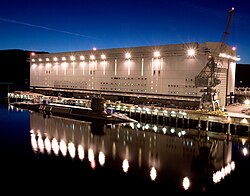
HELENSBURGH, Scotland – Authorities are on high alert at HM Naval Base Clyde (HMNB Clyde), commonly known as Faslane, following reports of a suspected unauthorized access attempt linked to an Iranian national amid escalating global tensions involving Iran and Western powers.

The incident, which occurred in recent weeks at the heavily guarded base on the Gare Loch – home to Britain’s Vanguard-class nuclear submarines and the UK’s Trident nuclear deterrent – has sparked fresh concerns over foreign interference and hybrid threats to critical military infrastructure.

While full details remain classified under national security protocols, sources close to the investigation indicate that an individual believed to be of Iranian origin was detained after attempting to breach perimeter security measures at the site.
The suspects, (a Iranian man and a woman) whose identity has not been officially released, is said to have approached restricted areas of the base in what officials described as a “deliberate and suspicious manner.”
Ministry of Defence (MoD) police and counter-terrorism units responded swiftly, leading to the individual’s detention without any reported injuries or compromise to nuclear assets.

This event comes against a backdrop of heightened UK vigilance toward Iranian state-linked activities.
In March 2026 alone, UK authorities arrested several individuals – including an Iranian national and dual British-Iranian citizens – on suspicion of assisting a foreign intelligence service, reportedly tied to Iran’s operations targeting Jewish communities and other sensitive sites in London.
Earlier in 2025, multiple Iranian nationals faced charges related to preparation of terrorist acts and national security threats, including alleged plots against unspecified premises.
Faslane has seen a dramatic surge in reported security incidents in recent years, jumping from 16 in 2021 to 149 in 2025, according to data obtained through freedom of information requests.
Experts attribute much of this rise to increased “hybrid warfare” efforts, potentially from state actors like Russia amid the ongoing Ukraine conflict, though Iranian-linked espionage has also drawn scrutiny given regional flashpoints involving US, UK, and Israeli interests.
A Ministry of Defence spokesperson stated: “The security of HMNB Clyde and our personnel remains our top priority. Any attempted unauthorized access is treated with the utmost seriousness, and appropriate measures were taken to neutralize the potential threat. We do not comment on ongoing investigations.”
Anti-nuclear campaigners and local residents have long criticized the base’s vulnerabilities, with protests frequently occurring at its gates. However, this latest incident has intensified calls for greater transparency and independent oversight of security protocols at one of Britain’s most strategically important sites.
Counter-terrorism officials have not confirmed whether the attempt was part of a broader Iranian intelligence operation, but it aligns with patterns observed in other Western nations where Iranian-linked actors have targeted military and diplomatic assets.
The timing coincides with heightened Middle East tensions, including recent US and allied military actions against Iranian interests.
The suspect remains in custody pending further inquiries under the National Security Act. No charges have been publicly announced as investigations continue.
As geopolitical pressures mount, the episode underscores the challenges facing the UK’s defense establishment in safeguarding its nuclear deterrent against evolving foreign threats.