
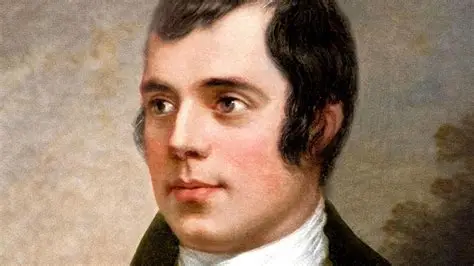
As the final seconds of the year drip away like the last candle of Hogmanay, something remarkable happens. From Glasgow to Sydney, Reykjavik to Rio, strangers loop their arms together and sing a centuries-old Scottish poem in unison. The song is “Auld Lang Syne,” gathered and refined by Robert Burns in 1788, and it remains one of humanity’s great communal rituals. It’s not just a melody. It’s a memory machine.
Robert Burns’ timeless toast to friendship and memory
A question that tugs the heart
Burns begins with a question: “Should auld acquaintance be forgot…?” It’s a challenge as much as a comfort. Should we really forget the people and moments that stitched the quilt of our lives? The answer, sung warmly with a hint of whisky in the air, is a resounding no. The song is a pledge to cherish the past while marching into the future with clearer eyes and kinder hearts.
More than a New Year’s chorus
The modern world treats “Auld Lang Syne” as the soundtrack of midnight fireworks, but its roots go far deeper. Burns was gathering fragments of older Scots ballads, preserving language and tradition at a time when Scotland’s cultural voice risked fading beneath the noise of empire. The song became a cultural anchor, a reminder that history and identity live best when shared aloud.
Over the centuries it has been sung at farewells, funerals, reunions, and peace gatherings. After world wars and personal heartbreaks alike, it has offered the same promise: that distance, time, and grief cannot fully erase what once bound us together.
A global anthem of togetherness
It is astonishing that a Scots-language poem written by a farmer-poet in Ayrshire now bridges continents. For many, the words may blur, but the emotion never does. Those intertwined hands create a circle of solidarity in the moment the year turns, a small human constellation glowing with nostalgia, gratitude, and stubborn hope.
Burns’ legacy, still singing
Burns gave the world many treasures, but “Auld Lang Syne” has become his most universal gift. It teaches without preaching. It invites without demanding. It asks us to honour the old days not as shackles, but as stepping stones.
When the clock strikes twelve this year and the chorus rises once more, listen closely. Beneath the fireworks, beneath the clink of glasses, there’s a simple truth humming in the tune: life is fleeting, friendship is precious, and memories deserve their place at the table of the future.

And for that, we lift a cup of kindness yet


