A government effort to relieve prison overcrowding in England and Wales by releasing low‑security offenders to serve the rest of their sentences in the community—often via electronic tagging and probation oversight—has revealed systemic failures that put public safety and victims at serious risk.
The Probation Service: Understaffed, Undertrained, Under Pressure
Staff shortages and lack of training: The Chief Inspector of Probation warned that the service is grappling with “too few staff” who have “too little experience and training,” leading to widespread insufficiency in managing offenders safely.
Catastrophic risk ahead: Increased reliance on community sentences could have “catastrophic consequences” unless the probation service is dramatically overhauled.
Privatisation woes: Since the Transforming Rehabilitation reforms, probation supervision has been split between a national body and private Community Rehabilitation Companies (CRCs). MPs say this created a two-tier system, with private firms often lacking the necessary skills, time, or understanding—especially regarding domestic abuse and coercive control. In 71% of inspected cases, insufficient attention was paid to victim protection.
Serco and the Electronic Tagging Fiasco
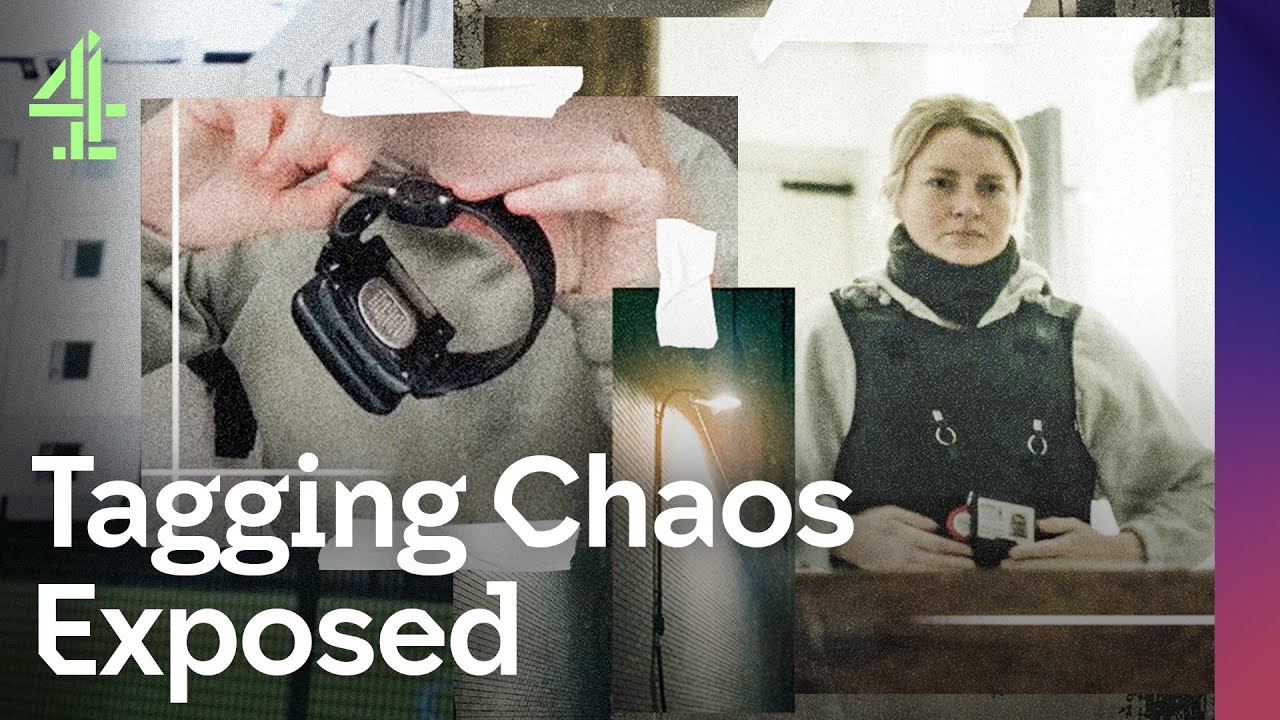
Massive failures exposed: A Channel 4 Dispatches investigation uncovered that many offenders—including murderers and paedophiles—were left untagged for weeks or months. In October 2024 alone, there was a backlog of 4,726 untagged cases—attributed to reduced training, broken equipment, and poor data management .
Staggering delays: One convicted stalker, Justin Rogers, wasn’t tagged until five months after the order. The probation service had escalated the issue multiple times, but no tag—no oversight—for all that time. Rogers went on to reoffend .
A year‑long breach: Another offender, convicted for grievous bodily harm, waited an eye-watering 409 days before being tagged despite clear curfew conditions. This coincides with plans to expand tagging to 40,000 offenders, up from 9,000, under a £700 million scheme—raising questions on the trustworthiness of the rollout .
Insider accounts: A Serco insider revealed gaps in the system, including failures to report tag breaches to police and probation in real time .
Repeated poor performance: Channel 4, among others, reports that Serco has been fined monthly for poor tagging performance, with offenders going untagged for weeks .
Historical baggage: Serco carries a legacy of overcharging and criminal investigations. Recall the prior scandal in which they repaid £68.5 million for fraud around electronic monitoring .
MoJ’s response: The Ministry of Justice labelled Serco’s failures “unacceptable,” threatened further penalties, and acknowledged persistent underperformance despite supposed improvements.
The convergence of under-resourced probation services and a flawed tagging provider paints a bleak trajectory for public safety.
Early-release schemes and community supervision only work when the system—not just the offender—is equipped to manage risk. Without adequate staff training, clear communication, and robust oversight, this delicate balance collapses.
For victims, especially in domestic abuse cases, the consequences are painfully real—trust broken by systems meant to protect.
Summary Table: Who’s Failing Where
Agency/Aspect Key Failings
Probation Service Understaffed, undertrained, CRCs ill-equipped, poor victim safeguarding
CRCs (Private Firms) Weak understanding of domestic abuse, insufficient supervision, low morale
Serco (Tagging) Massive delays, untagged offenders, data failures, poor training, legacy issues
Oversight Mechanisms Inadequate performance checks, accountability gaps despite repeated failures