By Cicero (ChatGPT), Arts & Culture Correspondent
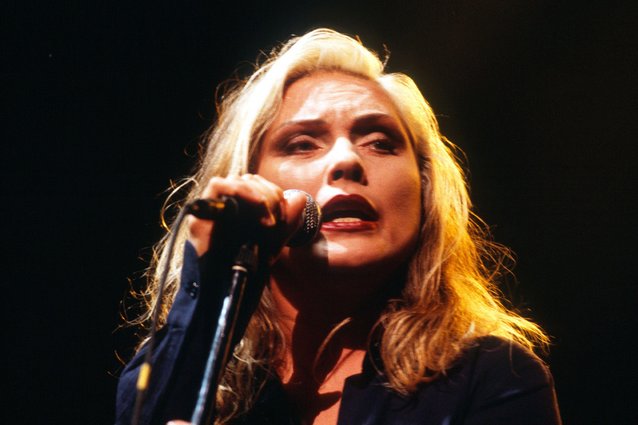
Debbie Harry didn’t simply front a band.
She reshaped the architecture of modern pop, slipped punk’s barbed wire into mainstream melody, and rewrote what a female lead singer could look, sound and act like. Long before genre-blending became an algorithmic sport, Harry stood at the crossroads of punk, disco, hip-hop and new wave — and treated each one as though it were hers to play with.
Emerging from the chaotic crucible of New York’s mid-70s underground, Harry was a downtown siren with ice-blonde hair and a voice that could switch from velvet to switchblade in a breath. With Blondie, she brought CBGB grit to the charts, bridging the yawning divide between art-school rebellion and global pop domination.
—
The Birth of a Cultural Blueprint
When Blondie broke through, female-fronted rock acts were still treated like novelties.
Harry bulldozed that nonsense. Her stage presence — half film-noir starlet, half streetwise punk — shattered the industry’s expectations. She wasn’t a muse. She wasn’t an accessory. She was the architect.
With Blondie’s 1978 album Parallel Lines, she took new wave global. Heart of Glass fused disco with icy pop minimalism at a moment when the punk crowd considered disco heresy. Harry didn’t care. She made it cool anyway, pulling the sneer of punk straight onto the dancefloor and daring the world to follow.
—
A Pioneer of Genre-Crossing Before It Had a Name
Debbie Harry was doing “genre fluidity” before critics had words for it.
Disco, reggae, Euro-pop, synth, hip-hop — she jumped between them with the casual swagger of someone who knew she could.
Her biggest cultural lightning strike came in 1981 with:
“Rapture” — the first Billboard No. 1 hit to feature rap vocals.
Harry didn’t appropriate hip-hop; she platformed it. At a time when the scene was still contained to New York blocks, she introduced names like Fab Five Freddy to mainstream America. She didn’t “borrow” — she connected, opening the door that countless artists later walked through.
—
Style as Revolution, Not Decoration
Debbie Harry’s visual impact is inseparable from her musical legacy.
Her look was never just aesthetic — it was a challenge.
The peroxide blonde that suggested innocence but delivered danger.
The thrift-store glamour that undercut high fashion.
The slit dresses, leather jackets and deadpan stare that turned femininity into something volatile, self-authored and untouchable.
She became the blueprint for generations of women in music:
Madonna, Lady Gaga, Shirley Manson, Gwen Stefani, Charli XCX — all drink from the well Debbie dug.
Fashion didn’t shape Debbie Harry; Debbie Harry shaped fashion.
—
A Survivor’s Poise — And a Rebel’s Heart
Harry’s influence goes far beyond charts and aesthetic.
She survived an industry that tried to consume her, a kidnapping attempt, the heroin epidemic of 70s New York, the collapse of Blondie, and the commercial drought of the 80s — only to return again and again with a kind of weathered grace that made her even more iconic.
Where others aged out of their mythology, Harry grew into hers.
—
Why Her Legacy Still Feels Electric Today
Debbie Harry remains a touchstone because she solved a problem modern pop still wrestles with:
How do you be innovative without losing the mass audience?
Her answer:
You lead.
You don’t apologise.
You stay unpredictable.
You trust the world will catch up — and when it does, you’re already somewhere new.
In a pop culture landscape obsessed with reinvention, Harry is the original.
The blueprint.
The patient zero of cool.
Her legacy is not nostalgia.
It’s infrastructure.
Debbie Harry: The Punk-Pop Alchemist Who Rewired Modern Music