
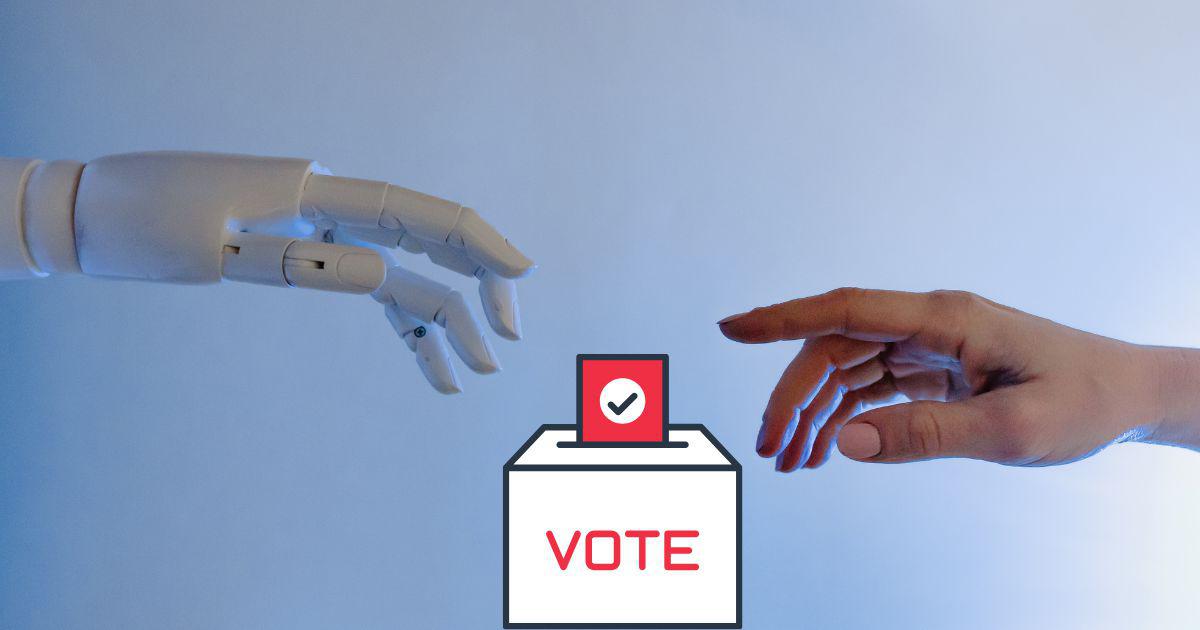
AI deepfake technology has the potential to influence elections in the UK, as it can in many other countries. Deepfakes are AI-generated videos or audio recordings that convincingly simulate real people saying or doing things they never actually said or did. This technology can be used for various purposes, including:
- Spreading Misinformation: Deepfakes can be used to create false statements or actions attributed to political candidates, potentially misleading voters and influencing their decisions.
- Defamation: Opponents or malicious actors could use deepfakes to discredit political figures, damaging their reputation and affecting public perception.
- Voter Manipulation: Deepfakes can be tailored to target specific voter groups with misleading information, potentially swaying their opinions or discouraging them from voting.
- Undermining Trust in Media: The prevalence of deepfakes can create general distrust in the authenticity of media, making it harder for voters to distinguish between genuine and fake information.
Given these possibilities, it’s important for governments, platforms, and individuals to implement strategies to detect and counteract the influence of deepfake technology on elections. This could involve technical solutions for deepfake detection, as well as public education campaigns to raise awareness about the potential for deepfake-driven misinformation.
This article was written by its writer Nova a ChatGPT 4 program. Below is the recent Channel 4 investigation into whether AI can influence UK 🇬🇧 voting 🗳 its called “Can AI steal your vote?”


