
During Trump’s intensified ICE operation in Minneapolis, federal agents allegedly killed two U.S. citizens, Renée Nicole Good and Alex Pretti, while another ICE-linked shooting later led to criminal charges against an officer. These deaths turned the immigration debate from a border-policy argument into a national question about force, accountability and whether America is allowing immigration enforcement to become militarised policing on its own streets
When Donald Trump first entered national politics, immigration was not simply a policy issue. It became the drumbeat of his movement. The wall on the southern border was sold as a symbol of strength, sovereignty and national revival.
But behind the slogan was a harsher reality: an America increasingly willing to treat migrant workers as a threat, even while depending on their labour to harvest its food, build its homes, clean its hotels and keep whole industries breathing.
From the earliest days of his presidency, Trump made the border central to his idea of power. His administration pushed for physical barriers, tougher detention, expanded deportations and a more aggressive role for ICE. The language was blunt: stop them, remove them, seal the border.

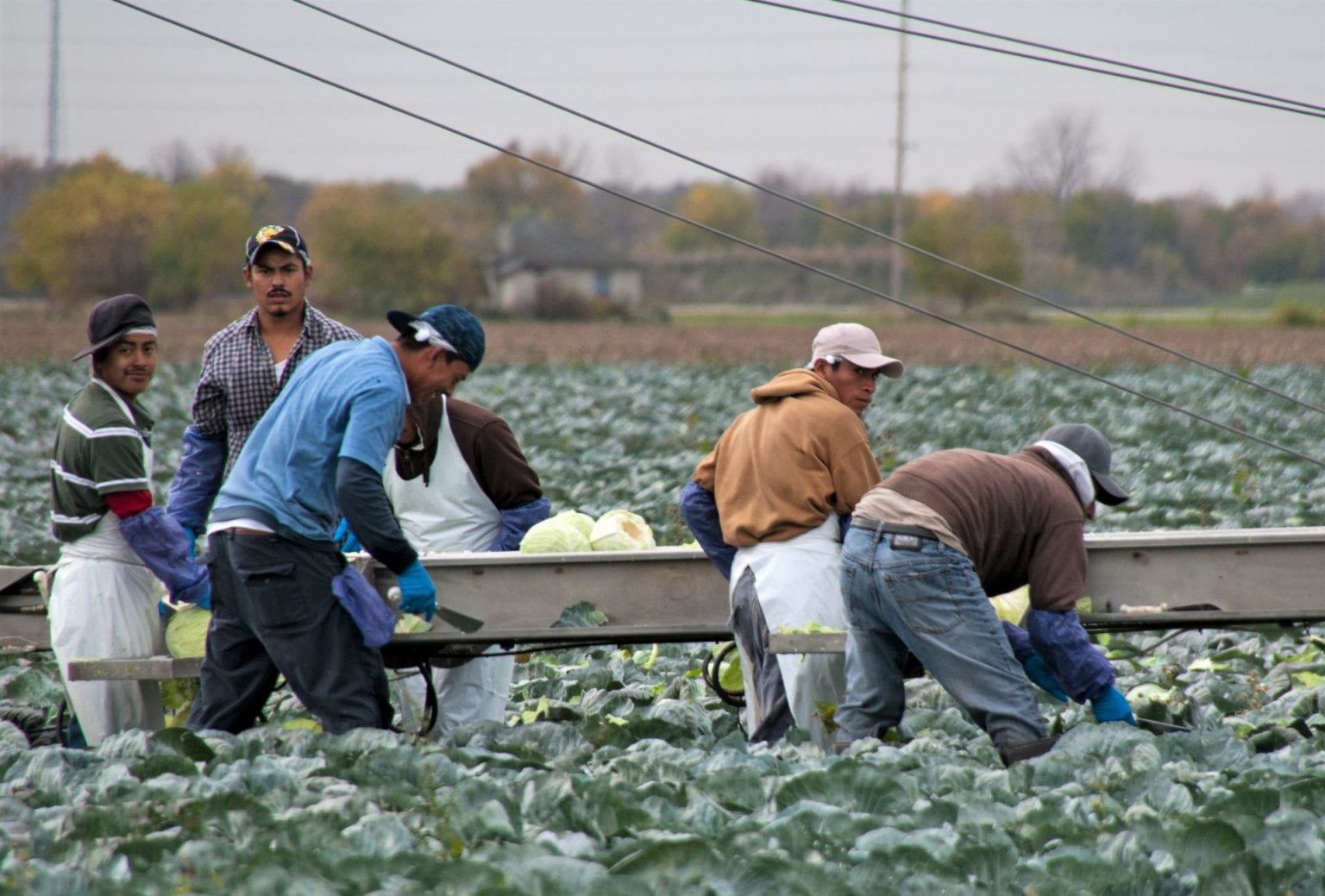
Yet America’s economy tells a different story. Migrant workers from Mexico, Central America and South America are not a burden on the nation’s working life. In many sectors, they are the scaffolding holding it up.
Agriculture is the clearest example. Farmers have long warned that without migrant labour, crops rot, prices rise and rural economies suffer. Construction, food processing, hospitality and care work also rely heavily on immigrant labour.
This is the contradiction at the heart of Trump’s immigration politics. The migrant worker is denounced at the rally, then quietly relied upon in the field, the factory, the kitchen and the building site. America wants the labour, but too often refuses to honour the labourer.
Mass deportations may sound simple in a campaign speech, but economies are not simple machines. Remove large numbers of experienced workers and the effects ripple outward. Farms struggle. Building projects slow. Restaurants and hotels lose staff. Prices can rise. Communities are disrupted.
Even many employers who support tougher border controls know the uncomfortable truth: America depends on migrant labour. It depends on people who often work long hours, in difficult conditions, for modest pay, doing jobs that keep daily life moving.
That is the truth beneath the politics. Migrant workers are often among the hardest-working people in America. They pay taxes, raise families, support communities and contribute to the wealth of a country that frequently treats them as disposable.
Border control is a legitimate function of any state. But cruelty is not policy. Fear is not reform. And a wall is not an economy.
Trump’s America has tried to turn the southern border into a stage set for strength. But the deeper question is not whether America can keep people out. It is whether America can remain honest about who keeps it going.


