
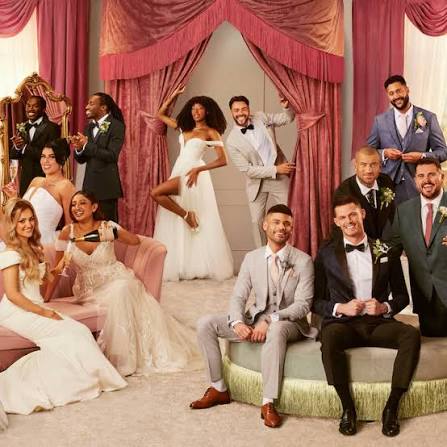
Channel 4 Faces Reality Check After Panorama Exposes Dark Side of Married at First Sight

The BBC Panorama investigation into Married at First Sight UK has triggered a proper reality-TV reckoning: serious sexual assault allegations, questions over duty of care, police interest, an external review, and now political scrutiny from the Commons Culture, Media and Sport Committee
“Some will say the women ‘got what they signed up for’ because they entered a televised relationship. But consent to appear on reality TV is not consent to be humiliated, pressured, unsafe, or unheard. The real question is not whether the cameras captured romance, but whether the people behind those cameras protected the human beings they had turned into entertainment.”
Channel 4 is facing urgent questions over the future of Married at First Sight UK after a BBC Panorama investigation raised deeply serious allegations about the treatment and safety of women on the programme.
https://www.bbc.co.uk/iplayer/episode/m002wcf0/panorama-the-dark-side-of-married-at-first-sight
The investigation, titled The Dark Side of Married at First Sight, has placed one of Britain’s biggest reality formats under a harsh public spotlight. Two women have alleged they were raped by their on-screen husbands, while another former participant alleged a non-consensual sexual act.

The accused men deny the allegations. Channel 4 has since removed past episodes from streaming and commissioned an external review into contributor welfare.
This is no longer just a television controversy. It is a question of duty of care, safeguarding and whether reality TV has been allowed to turn human vulnerability into entertainment.
For years, dating shows have sold viewers a glittering fantasy: strangers meeting, marrying, arguing, reconciling and perhaps finding love under the camera’s hungry eye.
But Panorama’s findings suggest a much darker possibility: that the format may have placed women in emotionally and sexually unsafe situations while production teams pursued drama.
Channel 4’s chief executive Priya Dogra has apologised for the distress caused and confirmed that the broadcaster will review how concerns were handled. MPs on the Culture, Media and Sport Committee have also written to Channel 4 and Ofcom demanding answers over the allegations and welfare procedures.
The Metropolitan Police has urged anyone with relevant experiences connected to the programme to come forward. Ofcom is expected to examine the findings of Channel 4’s review, while the Department for Culture, Media and Sport has warned that serious failures must have consequences.
The scandal has already hit the show commercially. Travel company Tui has ended its sponsorship of the UK and Australian versions of Married at First Sight following the allegations.
That matters because television scandals often become impossible to ignore when advertisers begin walking away.
At the heart of this is a simple question: what does consent mean inside a manufactured relationship?
On Married at First Sight, strangers are paired together, filmed as couples and placed under emotional pressure to behave as if a marriage exists. The programme may call itself a “social experiment”, but when intimacy, alcohol, isolation, public exposure and producer expectations collide, the experiment can become a pressure cooker.
Reality television has long depended on conflict. Tears make trailers. Arguments make ratings. Vulnerability becomes content. But if women are left feeling coerced, unsafe or unheard, then the format has crossed a line that no viewing figure can justify.
Channel 4 will now have to examine not only what happened on this show, but the culture behind it. Were complaints taken seriously enough?
Were women protected when they raised concerns? Were participants encouraged to continue relationships that had become harmful? And did the machinery of television mistake distress for drama?
The answer cannot be another polished statement about “robust protocols”.
The public has heard that phrase too many times. What is needed now is transparency, accountability and a serious rethink of how dating shows are made.
The wedding dress, the vows, the music and the confetti may make good television. But behind the spectacle are real people.
If those people are harmed, then the entertainment industry must stop pretending the cameras are innocent.
Married at First Sight UK may survive this scandal, but it should not survive unchanged. Reality television has reached a reckoning. The question now is whether Channel 4 will treat this as a public relations crisis, or as a moral one.


