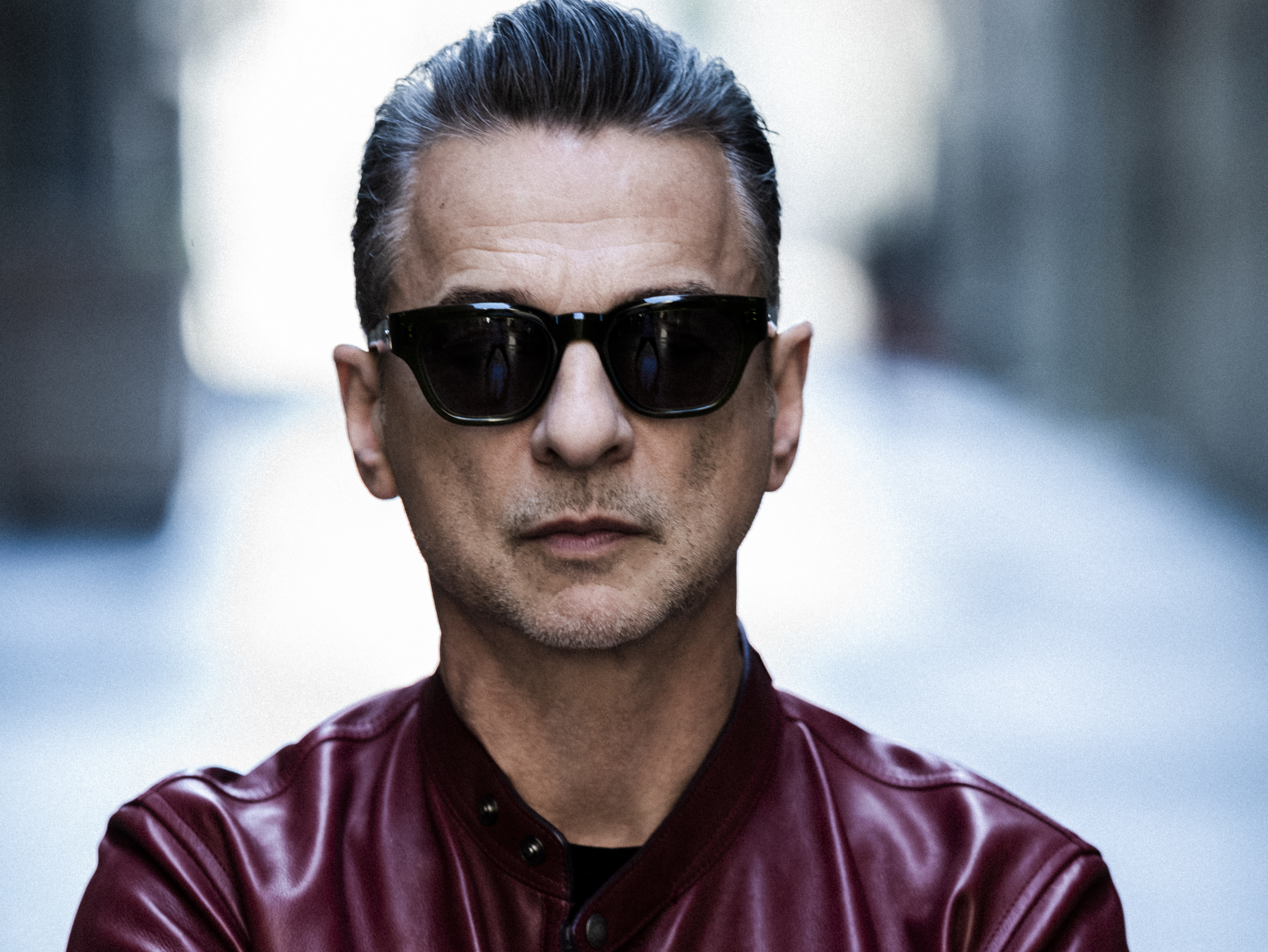
.
The voice of Depeche Mode is not just a singer. He is a resurrection story with a microphone in his hand.
Born David Callcott in 1962 in Epping, Essex, Gahan grew up with the kind of restlessness that could have curdled into trouble. Instead, it became voltage. When he joined Depeche Mode in 1980, he helped turn a shy Basildon synth outfit into a cathedral-filling force. The early years glittered with icy hooks and sharp suits, but by the time albums like Violator detonated across the globe, Gahan had become something else entirely: leather-clad, snake-hipped, a preacher of the dancefloor.

But the 1990s were brutal. Fame can be a golden chalice filled with poison. During the Songs of Faith and Devotion era, the band’s sound thickened into gospel-blues grandeur, and Gahan’s personal life spiralled into addiction. Los Angeles swallowed him whole. There were overdoses. There was a suicide attempt. In 1996, after a near-fatal speedball overdose that left him clinically dead for two minutes, it seemed the curtain might fall for good.
It didn’t.
Recovery is not glamorous. It is not a headline. It is a thousand quiet mornings choosing life. Gahan got sober in the late 1990s, and he has now lived more than two decades free from the chaos that nearly erased him. Let that settle. The man who once flatlined now stands as one of rock’s most enduring comeback stories.
When Depeche Mode returned with Ultra in 1997, it was more than an album. It was proof of pulse. The tours that followed showed a different Gahan. Still magnetic. Still prowling stages like a man communing with electricity. But clearer. Grounded. Present.
Sobriety did not dull him. It refined him.

He began writing for the band, stepping out from behind the role of interpreter to become a creator. Songs like “Suffer Well” carried a lived-in honesty, written by someone who had stared into the abyss and chosen daylight. His solo work and collaborations, including projects with Soulsavers, revealed a voice burnished by experience. Less reckless, more resonant. A baritone shaped by survival.
In a culture that often romanticises self-destruction, Gahan stands as a rebuke. The myth says artists must burn out to shine. He proves the opposite. Longevity is the real rebellion.
Onstage today, he moves like a man who knows exactly what he escaped. The hips still swivel. The crowd still roars. But there is gratitude in it now, a sense of communion rather than chaos. Fans who watched him stagger in the 90s now watch him command arenas with the steadiness of someone who fought for every breath.
And after the heartbreaking death of bandmate Andrew Fletcher in 2022, Gahan helped carry Depeche Mode forward again. Grief, too, became part of the music. Survival sometimes means staying when others cannot.
Ten years sober is extraordinary. Twenty-plus is heroic. Dave Gahan is not a saint. He would likely laugh at that. He is something better. A working musician who refused to let his own legend become his obituary.
In an industry that eats its young and embalms its fallen, Dave Gahan chose to live.
And he is still singing.