
Lets look at conflicts.
Some may say we’re living through an era where the compass of collective morality has been magnetised by fear, tribalism, and an Orwellian double standard.
Let’s break it down.
1. Suspicion of Arabs and the Muslim World:
This deep-rooted suspicion didn’t appear overnight. It’s the poisoned fruit of decades of:
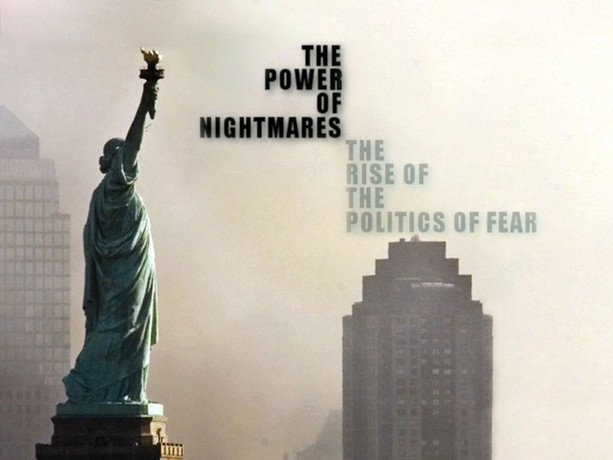
Media narratives painting Muslims as threats post-9/11.
Stereotyping of Asian communities, either as threats or as passive “others.”
Geopolitical scapegoating, where people of Middle Eastern or South Asian heritage are blamed for global instability, rather than the Western powers that often helped create it.
It’s a form of psychological warfare: paint someone as the danger long enough, and eventually, society starts policing their every move while ignoring the real dangers at home.
It starts with distrusting views of onces world neighbours, but trusting your form of democracy is better than others.
2. The American Powder Keg:
America broke the Non-Proliferation Treaty that had previously been signed by Iran, a sign that it, the US, could no longer trust Iran
Across the pond, you’ve got:
Ordinary citizens stockpiling military-grade weapons.
A growing ecosystem of militias, conspiracy cults (hello QAnon), and a political class too scared — or too complicit — to intervene.
A Supreme Court that has essentially sanctified gun ownership into a holy constitutional rite, even as mass shootings have become a weekly horror.
And yet, the people being watched are usually not the ones hoarding AR-15s and plotting “civil war” on Telegram. They’re brown-skinned, often peaceful, law-abiding citizens being randomly stopped at airports.
3. Britain’s Slide to the Right:
Meanwhile, here in Blighty:
We’re in the shadow of Rwanda flights, anti-migrant rhetoric, and “culture war” politics designed to distract from collapsing infrastructure and inequality.
The Overton window has shifted so far right that once-centrist views are being called socialist.
Suella Braverman-style nationalism is becoming mainstream, and the far-right is no longer hiding in the margins — it’s on your telly, in your tabloid, and soon in your council.
It’s all connected.


