
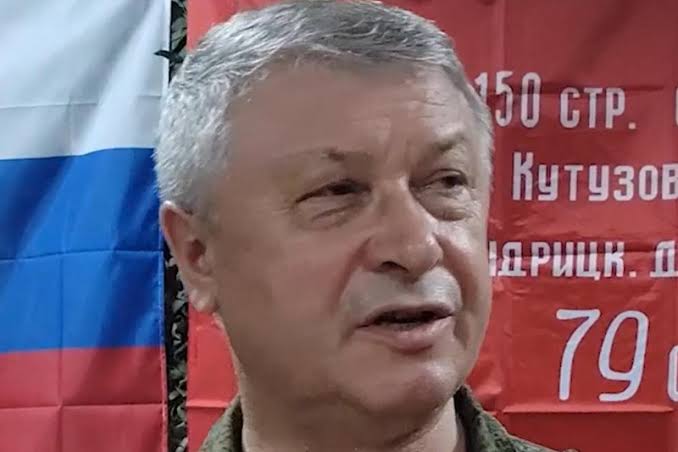
A senior Russian military intelligence leader, Lieutenant General Vladimir Alexeyev, was shot several times in an apparent assassination attempt at a residential block of flats on the north-western outskirts of Moscow and rushed to hospital in serious condition.
Moscow, Russia — Friday, 6 February 2026
Police have launched a criminal investigation for attempted murder and are reviewing CCTV and witness accounts as part of the probe.
According to investigators, an unidentified assailant opened fire as Alexeyev left his building early Friday morning. The general sustained multiple gunshot wounds, including to his chest, arm and leg, and was immediately taken to a city hospital for urgent treatment.
Russian authorities have not publicly confirmed the motive or identified suspects, but Foreign Minister Sergei Lavrov pointedly accused Ukraine of orchestrating the attack — a claim Kyiv has not confirmed and offered no evidence to support.
The shooting comes amid a pattern of high-profile attacks on senior Russian military officials since the invasion of Ukraine began in 2022. Russia has previously blamed such targeting on Ukrainian intelligence, though independent verification in many cases is lacking.
Alexeyev, a decorated officer who has served as first deputy head of the GRU — Russia’s main military intelligence directorate — since 2011, has been involved in planning operations related to Russia’s war in Ukraine and broader intelligence efforts. He has also played a public role in internal military negotiations, including during the brief 2023 mutiny by the Wagner mercenary group.
Wasn’t Alexeyev Involved with the Salisbury Nerve Agent Poisoning?
Alexeyev has been sanctioned by Western governments in connection with the 2018 Novichok nerve agent poison attack in the UK — in which Sergei and Yulia Skripal were targeted and another victim Dawn Sturgess died.
The European Union, United Kingdom and United States included Alexeyev on sanctions lists tied to the operation and other GRU activities.
However, while sanctions and official statements link him institutionally to GRU operations associated with Salisbury, there is no public evidence that he personally carried out that poisoning or was physically present in Salisbury.
Independent investigations into the Salisbury attack have identified other GRU officers as the operatives on the ground.


